
A Strategic Guide to Instagram Influencer Marketing
Instagram is a primary channel for brands to connect with audiences, and Instagram influencer marketing has become a central part of that connection. For marketing agencies and SaaS companies, mastering this strategy is essential for driving growth, building brand credibility, and reaching highly targeted customer segments. A well-executed campaign can generate significant returns by using the trust and authenticity of established creators.
This guide explains the fundamentals of Instagram influencer marketing, from developing a strategy to measuring its impact. We will cover how to find the right partners, what components make a campaign successful, and how to avoid common mistakes that can derail your efforts. By the end, you will have a clear framework for building campaigns that deliver real business results.
What Is Instagram Influencer Marketing?
Instagram influencer marketing is a collaboration between a brand and an Instagram creator to promote products or services. Unlike traditional celebrity endorsements, modern influencer marketing often involves creators who have built a dedicated following around a specific niche, such as technology, fashion, or productivity. Their followers trust their recommendations because they are seen as authentic experts or peers whose opinions they value.
This strategy works because it feels less like an advertisement and more like a trusted recommendation. The influencer integrates the brand’s message into their own content style, presenting it to their audience in a way that feels natural and genuine. Influencers are generally categorized by their follower count, which often correlates with their reach and fee structure.
- Nano-influencers (1,000–10,000 followers): They have small but highly engaged communities. Their followers often have strong personal connections with them, leading to very high engagement rates and trust.
- Micro-influencers (10,000–100,000 followers): These creators typically focus on a specific niche and are known for their authenticity. They offer a great balance of reach and engagement, making them a popular choice for many campaigns.
- Macro-influencers (100,000–1 million followers): These are established creators, often with professional content production, who can drive significant brand awareness across a broad audience.
- Mega-influencers (1 million+ followers): Often celebrities or public figures, they provide massive reach. These partnerships are typically expensive and are used for large-scale awareness campaigns.
Why Is Influencer Marketing So Effective on Instagram?
The effectiveness of influencer marketing on Instagram comes from several key factors that align perfectly with modern consumer behavior. First and foremost, it capitalizes on trust. People are increasingly skeptical of traditional advertising. A Nielsen study found that 92% of consumers trust recommendations from people they know over brand advertising. Influencers bridge this gap by acting as a trusted source within their community.
Second, Instagram is a highly visual platform, making it perfectly suited for showcasing products and services in an authentic context. An influencer can create a Reel showing how a SaaS tool simplifies their workflow or post a Story about how a product fits into their daily life. This visual storytelling is far more compelling and memorable than a static ad. It allows potential customers to see a product in action, which helps them visualize its benefits for themselves.
Finally, influencer marketing enables precise audience targeting. By partnering with a creator in a specific niche, a brand can connect directly with a pre-qualified and interested audience. If you are a productivity software company, collaborating with an influencer who focuses on entrepreneurship and business efficiency ensures your message reaches people who are actively looking for solutions like yours. This eliminates the guesswork often associated with broader advertising campaigns.
Key Components of a Successful Strategy
A successful campaign requires careful planning and a strategic approach. Simply sending free products to a few creators and hoping for the best is not a strategy. The following components are critical for building a campaign that achieves measurable and meaningful results.
Define Clear Goals
Before you even think about finding influencers, you must identify what you want to accomplish. Your goals will dictate every other decision in your campaign. Are you aiming to increase brand awareness among a new demographic? Generate high-quality leads for your sales team? Drive website traffic to a new product page? Or boost direct sales of a specific item? Having clear objectives is the first step, and it is a core responsibility of what a marketing strategist does. Your goals will determine the type of influencers you work with, the content format, and the key performance indicators (KPIs) you track.
Set a Realistic Budget
Your budget will influence the scale of your campaign and the types of influencers you can afford to partner with. Costs can include creator fees, the cost of product samples, any software or platform fees, and the internal resources required for campaign management. Compensation models can vary widely. Common structures include a flat fee per post, a performance-based commission on sales, or a product exchange (often called “gifting”) for collaborations with smaller, nano-influencers.
Develop Creative Guidelines
Provide influencers with a clear, concise brief that outlines the campaign goals, key messages, and any mandatory elements. This includes things like specific hashtags to use, accounts to tag, or calls to action to include. However, it is equally important to allow for creative freedom. The most successful influencer content comes from letting creators speak to their audience in their own authentic voice. They know what resonates with their followers better than anyone. Micromanaging the creative process often results in content that feels stiff, inauthentic, and performs poorly.
How to Find the Right Instagram Influencers
Finding the right partners is one of the most critical steps in the process. The best influencer for your brand is not always the one with the most followers. True alignment with your brand’s values, target audience, and overall aesthetic is far more important for a successful collaboration. There are several effective methods you can use to find potential partners.

Start by searching hashtags that are relevant to your industry and audience. See who is creating popular content using those tags. You can also analyze your competitors to see which influencers they are working with; this can provide valuable insights into creators who are already familiar with your market. For a more streamlined and data-driven approach, influencer marketing platforms offer searchable databases and powerful analytics to help you discover and vet creators based on specific criteria like location, audience demographics, and engagement rates.
Once you have a list of potential candidates, it is time to vet them thoroughly. Look beyond just their follower count and consider these factors:
- Engagement Rate: A high engagement rate (likes and comments as a percentage of followers) is a strong indicator of an active and loyal audience. A rate of 2-3% is generally considered good.
- Audience Demographics: Ask for a media kit or use a third-party tool to check their audience demographics. Ensure their followers match your target customer profile in terms of age, gender, location, and interests.
- Content Quality and Brand Alignment: Review their feed carefully. Does their content style, tone, and overall aesthetic fit with your brand’s image? High-quality photos and videos are a must.
- Authenticity: Look at their past partnerships. Do they seem to promote any product that comes their way, or are their collaborations selective and genuine? A history of authentic partnerships is a good sign.
Measuring the ROI of Your Campaigns
To justify your investment and prove the value of your campaigns, you must track the return on investment (ROI). The specific metrics you focus on should align directly with the initial goals you set for the campaign. Without proper measurement, you will have no way of knowing what worked and how to improve your strategy in the future.
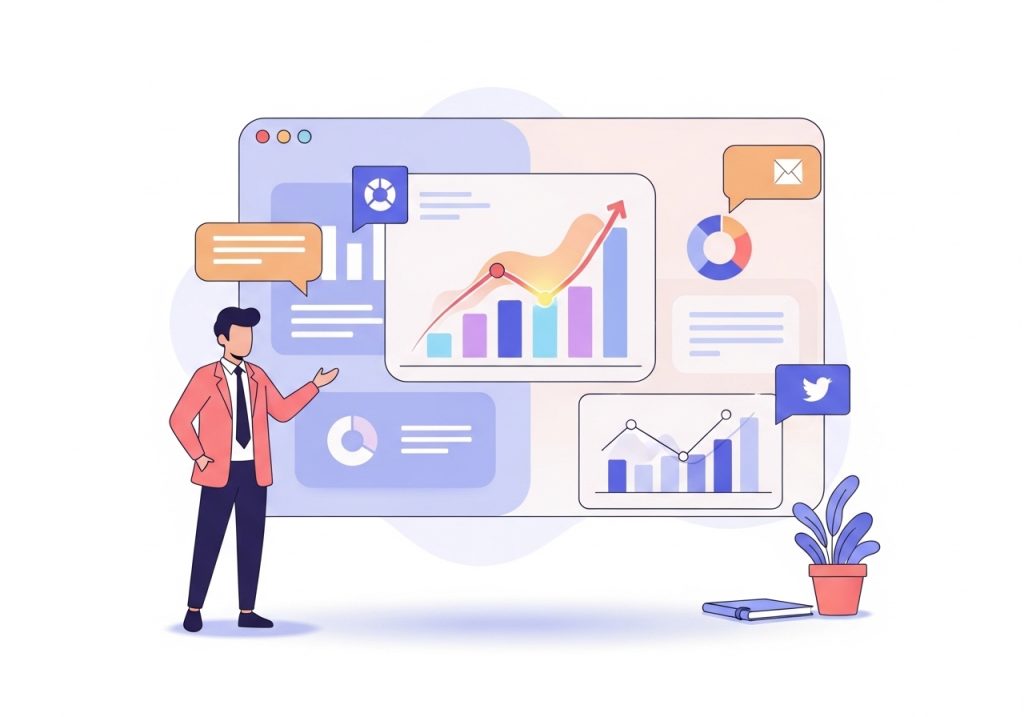
For brand awareness campaigns, you should track metrics like reach (the number of unique users who saw the content), impressions (the total number of times the content was seen), and follower growth on your own brand account. For campaigns focused on engagement, monitor likes, comments, shares, and saves. If your goal is conversions, track website clicks, leads generated, and ultimately, sales.
Use tracking tools to attribute results directly to specific influencers. Unique discount codes (e.g., “CREATOR15”) are a simple and effective way to track sales. For tracking website traffic and leads, provide each influencer with a custom link that includes UTM parameters. These parameters add tracking tags to your URL, allowing you to see exactly how much traffic and how many conversions each influencer drove within your analytics platform.
Common Pitfalls to Avoid
Even with a solid plan, certain mistakes can undermine an influencer campaign’s success. Being aware of these common pitfalls can help you protect your brand’s reputation and your marketing budget. By learning from others’ mistakes, you can refine your approach and build more resilient campaigns.
- Ignoring Disclosure Guidelines: The Federal Trade Commission (FTC) requires influencers to clearly and conspicuously disclose paid partnerships. This is usually done with hashtags like #ad or #sponsored. Failure to comply can result in financial penalties and damage consumer trust in both the influencer and your brand.
- Focusing Only on Vanity Metrics: A high follower count can be misleading. Some accounts inflate their numbers with fake followers or bots. Prioritize meaningful metrics like engagement rate and audience quality instead. A micro-influencer with 15,000 engaged followers is often more valuable than a macro-influencer with 200,000 passive ones.
- Lack of a Formal Agreement: Never run a paid campaign without a contract. A formal agreement should detail deliverables, usage rights for the content, campaign timelines, compensation, and disclosure requirements. This protects both you and the influencer and prevents misunderstandings down the road.
- Expecting Immediate Virality: While some campaigns take off quickly, most influencer marketing success is built over time. Building long-term relationships with a core group of influencers often yields better results than isolated, one-off promotions. These ongoing partnerships foster greater authenticity and deeper brand advocacy. To get a better sense of what works, you can review some effective social media campaign examples for inspiration.
Instagram influencer marketing is a powerful tool for growth when it is approached strategically. By setting clear goals, carefully selecting partners who align with your brand, and diligently measuring results, agencies and SaaS companies can build authentic connections with their target audiences. To get started, define one specific, measurable goal for your first campaign and identify three potential micro-influencers whose values and audience align with your brand. This focused approach will set you on the path to success.
Executing strategic marketing campaigns takes time you don’t always have. While you focus on building valuable partnerships, let Ascend handle your content. Ascend automates your entire blog content strategy, from keyword research to writing and publishing daily, SEO-optimized articles right inside WordPress. Free up your team to focus on high-impact strategies like influencer marketing, and let us build your organic traffic on autopilot. Learn how Ascend works.

Written by
Ascend
Ascend is an automated SEO engine for WordPress. It handles keyword research, writes high-quality, search-optimized content, and publishes it directly to your site, so your traffic can grow on autopilot. Learn more