
Effective Marketing Campaign Examples and What You Can Learn
An effective marketing campaign does more than just sell a product. It creates a connection, tells a story, and builds brand equity. The best campaigns are often built on a simple, powerful idea that resonates with a specific audience. They are memorable because they tap into a core human emotion or solve a clear problem. Instead of just pushing a message, they invite participation and create a shared experience. As we review a few standout marketing campaign examples, we will see how different brands achieve this through creativity, data, and a deep understanding of their customers.
What Defines a Successful Campaign?
Before analyzing specific examples, it is important to establish what makes a campaign successful. While metrics like ROI, conversion rates, and lead generation are critical, the most impactful campaigns also achieve less tangible goals. They generate conversations, build communities, and earn media placements that money cannot easily buy. A great campaign often has a clear, singular message that is easy to understand and share. It aligns perfectly with the brand’s identity and speaks directly to the target audience’s values and pain points. Success is a combination of creative execution and strategic insight, resulting in a campaign that feels both authentic and effective.
User-Generated Content: GoPro’s Million Dollar Challenge
GoPro has built its brand on the incredible content captured by its users. The Million Dollar Challenge is a perfect example of this strategy. The company invites its customers to submit their best, unedited video clips shot on a new GoPro camera. The clips that make it into the final highlight reel earn the creator a share of the one million dollar prize. This campaign is effective for several reasons. First, it sources a massive amount of authentic marketing material at a relatively low cost. The content feels real and aspirational because it comes from actual customers, not a production studio.
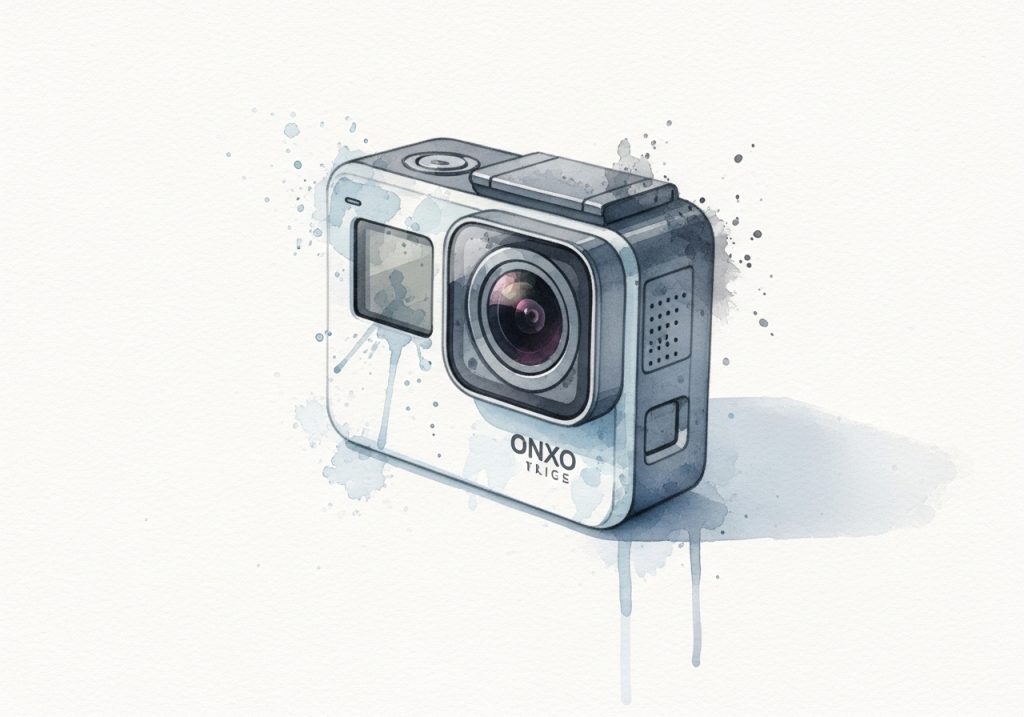
Second, it incentivizes customers to use the product to its full potential and explore its newest features. This drives product adoption and education in a fun, competitive way. Finally, it reinforces GoPro’s brand identity, which is all about adventure, action, and user creativity. The resulting highlight reel is a powerful testament to what the product can do, shown through the eyes of its most passionate users. For marketing agencies, this campaign demonstrates how to build a powerful community that actively participates in building the brand’s narrative.
Personalization at Scale: Spotify Wrapped
Each year, Spotify delivers a masterclass in personalized marketing with its “Wrapped” campaign. At the end of the year, users get a personalized summary of their listening habits, including top artists, songs, and genres. The data is presented in a visually appealing, easily shareable format designed for social media platforms like Instagram and X. This turns millions of users into brand ambassadors overnight. The success of Wrapped is based on its use of personal data to create something valuable and entertaining for the user. It feels like a personal gift, not an advertisement, which fosters a stronger emotional connection to the platform.

The campaign creates a powerful viral loop. Users share their results, which creates a sense of curiosity and FOMO (fear of missing out) among non-users or users of competing platforms. This organic promotion is incredibly effective and drives both engagement and new sign-ups. For agencies and SaaS companies, it’s a key example of how data can be used to create engaging experiences that people genuinely want to share. While the mechanics are complex, the core idea demonstrates an important aspect of what makes content go viral: personal relevance and social currency.
B2B Content Engine: The HubSpot Blog
Not all great marketing campaigns are flashy consumer-facing events. HubSpot built its multi-billion dollar business on a foundation of content marketing. The HubSpot Blog is a comprehensive resource for marketers, salespeople, and business owners. It provides genuinely useful information, from detailed guides to quick tips, all for free. This approach builds trust and establishes HubSpot as an authority in the industry. The strategy is simple: answer every question your potential customer might have. By doing so, you become their go-to resource.

When a reader needs marketing automation software, HubSpot is already a familiar and trusted name. This long-term strategy demonstrates the power of consistently delivering value to your target audience. It turns a blog into a powerful lead generation machine by solving the audience’s problems before they even think about making a purchase. This consistent output of high-quality content is also a fundamental part of how to build and increase page authority, which improves search engine rankings over time. For B2B companies, HubSpot’s campaign is proof that educational content is one of the most sustainable marketing investments you can make.
Key Takeaways from These Marketing Campaign Examples
These examples, while different, share common principles. GoPro empowers its community, Spotify celebrates individuality, and HubSpot provides utility. Each campaign aligns perfectly with the brand’s core identity and offers genuine value to the audience. They are not just about promoting a product but about building a relationship. The key lesson for any marketing team is to focus on authenticity, personalization, and utility. By creating campaigns that your audience wants to participate in, you can generate organic reach and build lasting brand loyalty. The goal is to become a part of your customer’s world, not just an interruption in their day.
Automating Your Content for Consistent Growth
Executing a content strategy like HubSpot’s requires a significant investment of time and resources. Consistently researching, writing, and publishing high-quality articles is a challenge for many teams, especially in fast-paced agency and SaaS environments. This is where automation can provide a critical advantage. Many of the most effective marketing strategies for SaaS companies rely on a consistent flow of new content. Tools like Ascend are designed to handle the heavy lifting of content creation, from keyword research and calendar planning to final publication on your WordPress site.
By automating the process, your team can focus on the high-level strategy behind your marketing campaigns while ensuring a steady stream of valuable content builds your brand’s authority day after day. A consistent content engine is the foundation for many successful marketing efforts, and automation makes achieving that consistency much simpler. It allows you to maintain momentum and build a valuable library of resources that attracts and nurtures leads over the long term.
Ready to build a content engine without the manual effort? Ascend fully automates your blog content, from keyword research to publishing, all within your WordPress dashboard. See how you can achieve consistent organic growth, hands-free. Learn more about Ascend.

Written by
Ascend
Ascend is an automated SEO engine for WordPress. It handles keyword research, writes high-quality, search-optimized content, and publishes it directly to your site, so your traffic can grow on autopilot. Learn more