
How to Increase Organic Traffic: A 5-Step Guide for Agencies and SaaS
For marketing agencies and SaaS companies, organic traffic is the foundation of sustainable growth. It brings qualified leads, builds brand authority, and reduces reliance on paid advertising. But understanding how to increase organic traffic requires a methodical approach that goes beyond simply publishing content. It involves a strategic blend of keyword research, consistent creation, technical optimization, and performance analysis. This guide outlines a clear, five-step process to help you build a system that consistently attracts the right audience from search engines.
Step 1: Develop a Data-Driven Keyword Strategy
The first step in driving organic traffic is to understand what your potential customers are searching for. A solid keyword strategy ensures your content aligns directly with user intent, attracting visitors who are actively looking for the solutions you provide. Without this foundation, even the best content can fail to find its audience.
Start by brainstorming core topics related to your product or service. Think about the problems you solve for your clients. For an agency, this might include topics like “client reporting” or “lead generation strategies.” For a SaaS tool, it could be “project management software” or “automating workflows.” Use these broad topics as a starting point for more detailed research.
Next, use SEO tools like Ahrefs, Semrush, or even Google Keyword Planner to expand your list. Look for keywords with sufficient search volume and a realistic difficulty level for your website’s authority. It’s crucial to go beyond broad terms and focus on long-tail keywords (phrases of three or more words). These often have lower competition and higher conversion rates because they reflect a more specific search intent. Mastering the art of finding niche keywords can connect you with high-intent customers ready to engage with your brand.
Organize your chosen keywords by user intent. Are users looking for information (e.g., “what is SEO”), comparing options (e.g., “Ascend vs. Jasper”), or ready to make a purchase (e.g., “Ascend pricing”)? Mapping keywords to different stages of the buyer’s journey allows you to create content that meets users exactly where they are, guiding them effectively through your funnel.
Step 2: Create a Consistent Content Publishing Schedule
Search engines favor websites that regularly publish fresh, high-quality content. Consistency signals that your site is active and a reliable source of information, which can improve your rankings over time. For busy agencies and SaaS teams, however, maintaining a steady publishing cadence is often the biggest challenge. This is where creating a structured content calendar and workflow becomes essential.

A content calendar is a schedule that maps out all your upcoming content. It should include details like the target keyword, topic, content format (blog post, case study, etc.), author, and publication date. This simple tool turns content creation from a reactive task into a proactive strategy, ensuring a steady flow of valuable articles for your audience.
The key to consistency is efficiency. Many teams get bogged down by the manual tasks involved in research, writing, editing, and formatting. This is why many successful brands automate the content creation process. By using AI-powered tools, you can generate outlines, draft articles, and even create a full month’s worth of content with minimal manual input. This frees up your team to focus on high-level strategy and client work instead of the repetitive mechanics of content production.
Step 3: Optimize On-Page and Technical SEO Elements
Creating great content is only part of the equation. For search engines to find, understand, and rank your pages, your website needs to be technically sound and properly optimized. On-page and technical SEO are the practices that make your site easy for both search engine crawlers and human visitors to use.
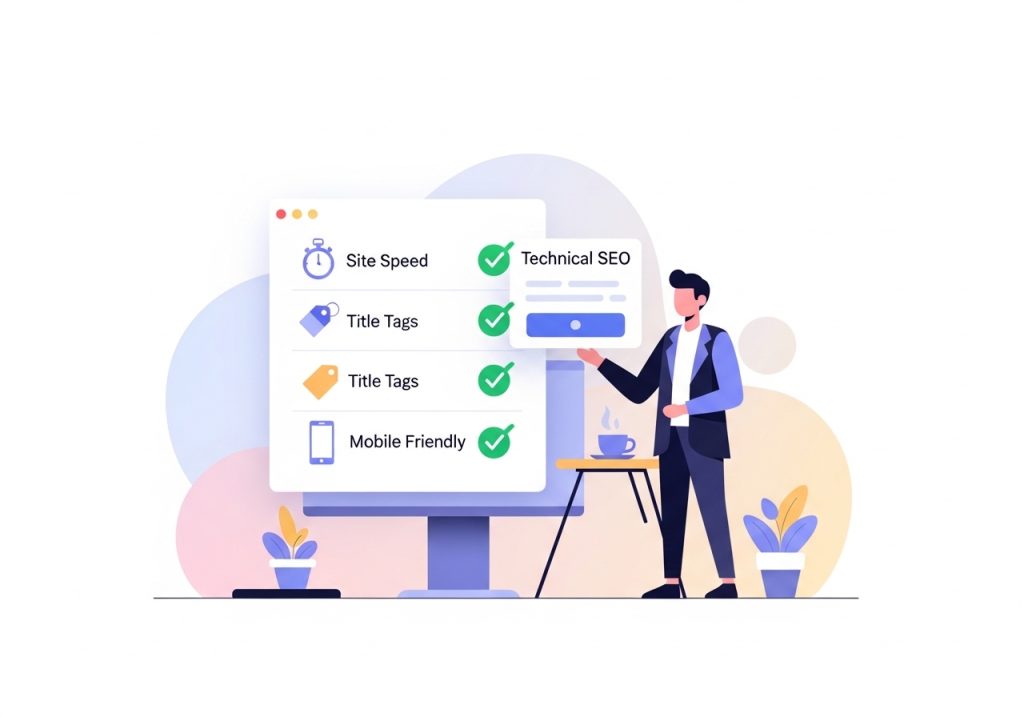
On-page SEO refers to optimizing individual web pages. Key elements include:
- Title Tags: Ensure every page has a unique title tag that includes the target keyword and is around 60 characters long.
- Meta Descriptions: Write compelling meta descriptions that summarize the page content and encourage clicks. While not a direct ranking factor, they influence click-through rates.
- Header Tags (H1, H2, H3): Structure your content with header tags. Your main title should be an H1, with subheadings as H2s and H3s to create a clear hierarchy.
- URL Structure: Use clean, descriptive URLs that include your target keyword (e.g., `yourdomain.com/blog/how-to-increase-organic-traffic`).
- Internal Linking: Link to other relevant pages on your site to help search engines understand your site structure and distribute page authority.
Technical SEO focuses on the website’s backend infrastructure. Important factors include site speed, mobile-friendliness, and having a secure connection (HTTPS). A fast-loading, mobile-responsive site provides a better user experience, which Google rewards with higher rankings. Use tools like Google’s PageSpeed Insights to identify and fix technical issues that could be holding your site back.
Step 4: Build Authority Through Quality Backlinks
Backlinks, or links from other websites to yours, are one of the most powerful signals to search engines that your content is credible and valuable. Each high-quality backlink acts as a vote of confidence, telling Google that your site is an authority on a particular topic. A strong backlink profile is a critical component of any successful organic growth strategy.
The emphasis here is on quality, not quantity. A single link from a well-respected industry publication is far more valuable than dozens of links from low-quality directories. Focus on earning links from websites that are relevant to your niche and have high domain authority. Avoid spammy tactics like buying links, as this can result in penalties from Google.
So, how do you earn quality backlinks? The most sustainable method is to create content that people naturally want to share and cite. This includes:
- Original Research and Data: Publishing unique industry reports or survey results makes your content a primary source that others will reference.
- Comprehensive Guides: Creating the most thorough and helpful resource on a specific topic makes your page the go-to destination for that subject.
- Guest Blogging: Writing for other reputable blogs in your industry can introduce your brand to a new audience and earn you a valuable backlink.
Building a backlink profile takes time and consistent effort, but the long-term benefits for your site’s authority and organic traffic are significant.
Step 5: How to Increase Organic Traffic by Analyzing Performance
The final step is to measure your results and refine your strategy based on data. SEO is not a “set it and forget it” activity. By regularly analyzing your performance, you can identify what’s working, find new opportunities, and make informed decisions to improve your approach. This continuous feedback loop is what separates successful SEO campaigns from those that stagnate.
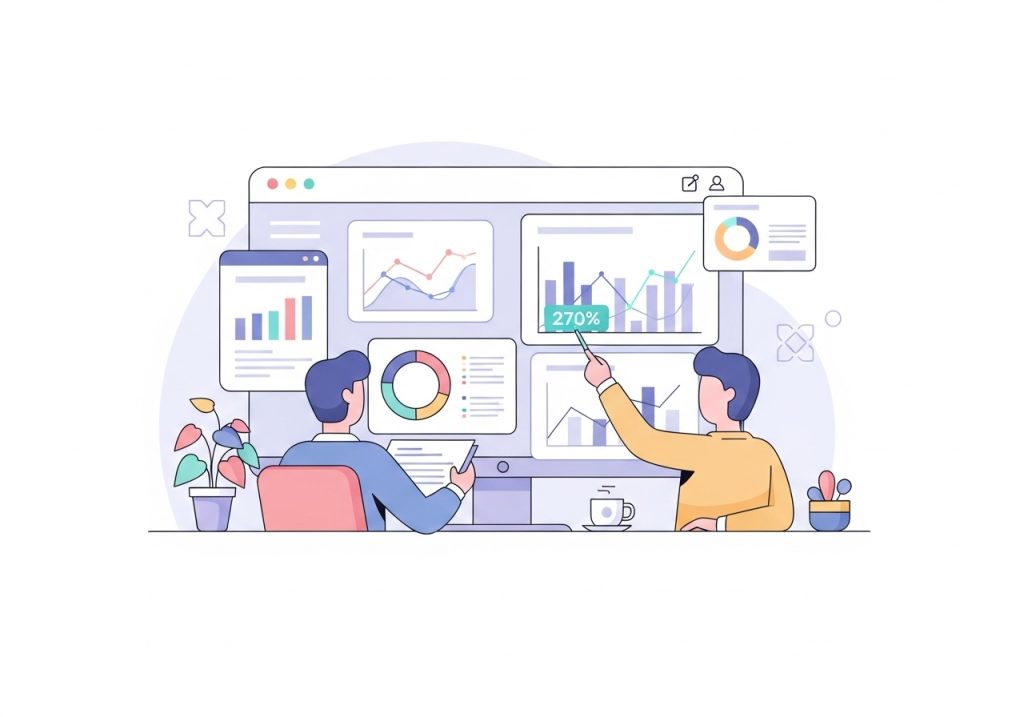
Tools like Google Analytics and Google Search Console are essential for this process. They provide a wealth of information about your website’s organic performance. Key metrics to monitor include:
- Organic Traffic: Track the total number of visitors coming from search engines. Is it trending up over time?
- Keyword Rankings: Monitor your position in search results for your target keywords. Are your most important keywords improving?
- Click-Through Rate (CTR): Analyze how many people click on your link after seeing it in search results. A low CTR might indicate that your title tag or meta description needs improvement.
- Top Performing Pages: Identify which articles are driving the most traffic. Use this insight to create more content on similar topics.
By reviewing these metrics monthly or quarterly, you can understand the impact of your efforts and make data-driven adjustments. Perhaps one content cluster is performing exceptionally well, signaling an opportunity to expand on it. Or maybe a group of pages has high rankings but low CTR, pointing to a need for better titles. This analytical approach ensures your strategy evolves and improves over time.
Increasing organic traffic is a systematic effort that compounds over time. By following these five steps, agencies and SaaS companies can build a powerful engine for attracting qualified leads. From developing a smart keyword strategy to consistently publishing optimized content and analyzing the results, each step is a critical piece of the puzzle. The goal is to create a repeatable process that drives predictable growth, allowing you to focus on what you do best: serving your clients and building your product.
Ready to put your content strategy on autopilot? Ascend automates your entire SEO content workflow, from keyword research and content calendar creation to writing and publishing high-quality blog posts every day. Stop spending hours on manual content tasks and start growing your organic traffic effortlessly. Discover how Ascend can transform your content marketing today.

Written by
Ascend
Ascend is an automated SEO engine for WordPress. It handles keyword research, writes high-quality, search-optimized content, and publishes it directly to your site, so your traffic can grow on autopilot. Learn more