
What Is a Marketing Campaign? A Guide for Modern Agencies
A marketing campaign is a strategic, organized effort to promote a specific company goal, such as raising awareness of a new product or capturing customer leads. Unlike day-to-day marketing activities, a campaign is a concentrated push with a defined start and end date, a clear objective, and a specific message delivered across selected channels. For agencies and SaaS companies, understanding how to build and execute these campaigns is fundamental to driving measurable growth for themselves and their clients.
The Core Components of Any Marketing Campaign
A successful marketing campaign is not a random collection of ads or social media posts. It is a carefully constructed plan where every element works together to achieve a single, primary objective. Each campaign, regardless of its scale or purpose, is built on a foundation of several key components.
- A Specific Goal: Every campaign needs a clear, measurable objective. This could be anything from increasing website traffic by 20%, generating 500 new qualified leads, or driving a 15% increase in trial sign-ups for a new software feature. Using the SMART (Specific, Measurable, Achievable, Relevant, Time-bound) framework helps define these goals effectively.
- A Defined Target Audience: You cannot effectively market to everyone. A successful campaign targets a specific segment of the market. This involves developing detailed buyer personas based on demographics, psychographics, and behavior to ensure the message resonates with the right people.
- A Core Message and Offer: What is the one thing you want your audience to know, feel, or do? The campaign’s message should be consistent, compelling, and centered on a clear value proposition or offer. This message must be adapted for different channels while retaining its core identity.
- Selected Channels: This is the “how” of your campaign. Based on your target audience and goals, you will choose the most effective channels to deliver your message. Options include email marketing, social media platforms (organic and paid), search engine optimization (SEO), pay-per-click (PPC) advertising, and content marketing.
- A Timeline and Budget: A campaign must have a defined duration and a set budget. The timeline dictates the pacing of activities, while the budget allocates resources across different channels and creative asset production. Proper planning using a well-structured marketing calendar is essential for keeping everything on track.
- Metrics for Success: How will you know if the campaign worked? Before launching, you must define the key performance indicators (KPIs) you will track. These should tie directly back to your primary goal and could include metrics like click-through rates, conversion rates, cost per acquisition, or brand mentions.
Why Coordinated Campaigns Are Crucial for Growth
Running isolated marketing tactics can produce some results, but coordinated campaigns create momentum and deliver a much greater impact. When all your efforts are aligned toward a common goal, you build a cohesive brand experience that is more effective at capturing attention and driving action. For agencies and tech companies, this strategic approach is what separates fleeting engagement from sustainable business growth.
The primary benefits include:
- Increased Brand Awareness: A consistent message repeated across multiple channels makes your brand more memorable. Campaigns help your company cut through the noise and establish a clear position in the market.
- Targeted Lead Generation: Campaigns are designed to attract and convert specific types of customers. By focusing your efforts, you can generate higher-quality leads that are more likely to become paying customers, a process that is critical for mastering lead generation for your agency.
- Improved Sales and Revenue: Whether you are launching a new product or promoting a seasonal offer, a well-executed campaign directly supports sales objectives by creating demand and guiding prospects through the buyer’s journey.
- Enhanced Customer Loyalty: Campaigns are not just for acquiring new customers. They can also be used to engage and retain existing ones by promoting new features, sharing success stories, or offering exclusive content.
What Is a Marketing Campaign? Common Types Explained
The term “marketing campaign” covers a wide range of initiatives, each tailored to a different business objective. Agencies and SaaS companies frequently use several types depending on their goals.
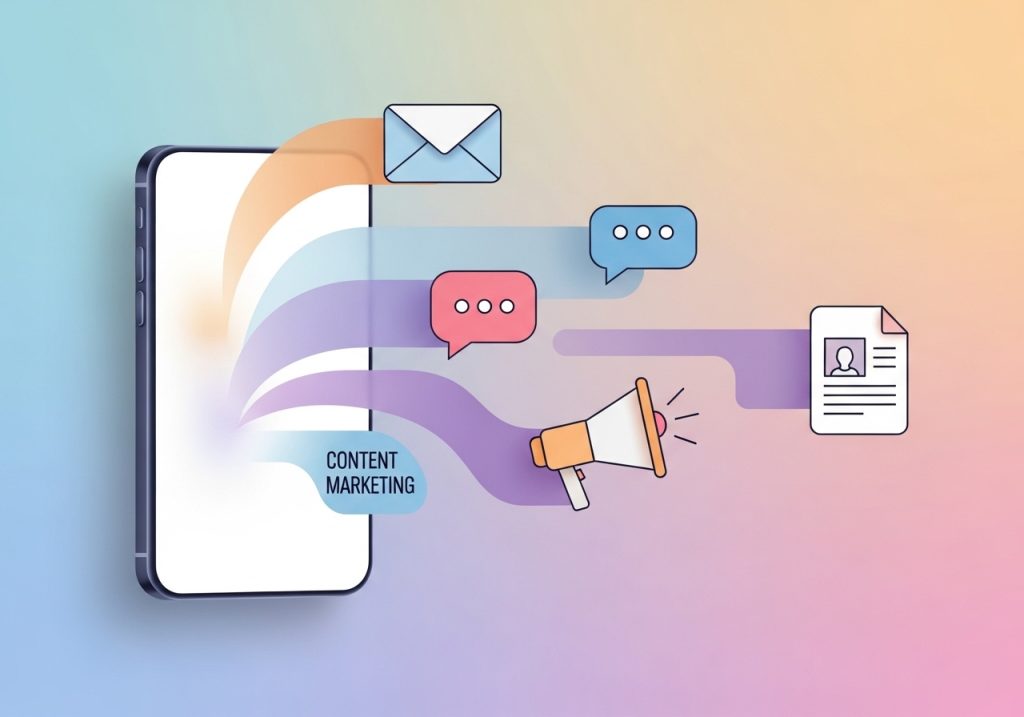
- Product Launch Campaign: This type is used to introduce a new product, service, or major feature. It focuses on building anticipation and driving initial adoption through press releases, influencer collaborations, product demos, and targeted advertising.
- Content Marketing Campaign: Centered around creating and distributing valuable content like blog posts, ebooks, or webinars, this campaign aims to attract and engage a target audience. The primary goal is often to improve SEO rankings, build thought leadership, and generate organic traffic.
- Brand Awareness Campaign: The main objective here is to increase visibility and recognition of the brand, not to drive immediate sales. Success is measured by metrics like reach, impressions, and social media mentions.
- Paid Advertising Campaign: This involves using paid channels like Google Ads or LinkedIn Ads to reach a highly specific audience. These campaigns are often focused on lead generation or direct sales and are highly measurable.
- Email Marketing Campaign: These campaigns use a series of coordinated emails to nurture leads, onboard new users, or promote a special offer to a segmented list of subscribers.
- Seasonal Campaign: Tied to a specific holiday, season, or event (like Black Friday), these campaigns capitalize on timely consumer interest to drive sales and engagement.
How to Structure Your Next Successful Campaign
A structured approach is essential for turning a good idea into a successful campaign. Breaking the process down into distinct phases ensures that you cover all critical steps, from initial research to final analysis. This methodical framework helps teams stay aligned and makes the entire process more manageable and repeatable.

Phase 1: Research and Discovery
Before you create a single asset, you must understand the market. This phase involves competitor analysis to see what others are doing, audience research to understand your customers’ pain points and preferences, and a review of past campaign performance to identify what has worked before.
Phase 2: Strategic Planning
With research complete, you can build your plan. This is where you finalize your campaign goal, define your KPIs, craft your core message, and select your channels. You will also create a detailed content calendar, allocate your budget, and assign roles and responsibilities to your team.
Phase 3: Execution and Launch
This is the action phase. Your team creates the necessary assets, such as ad copy, landing pages, blog posts, and social media graphics. Once everything is ready, you launch the campaign according to the planned schedule, closely monitoring all channels to ensure a smooth rollout.
Phase 4: Analysis and Optimization
A campaign does not end at launch. Throughout its duration, you must track your KPIs to measure performance against your goals. This data allows you to make real-time adjustments, such as reallocating ad spend or tweaking messaging. After the campaign concludes, a thorough analysis provides valuable insights for improving future initiatives.
Automating Your Content Strategy with Ascend
For many marketing campaigns, especially those focused on SEO and brand authority, consistent content creation is the engine that drives success. However, the process of researching keywords, writing high-quality blog posts, finding images, and publishing on schedule is time-consuming. It can quickly become a bottleneck, preventing agencies and SaaS teams from focusing on higher-level strategy.
This is where automation offers a significant advantage. Tools built for content automation can handle the heavy lifting. For instance, various AI writing tools help streamline the drafting process. Ascend takes this a step further by fully automating your entire blog content strategy right from your WordPress dashboard. After learning about your brand and audience, Ascend performs keyword research, generates a 30-day content calendar, and automatically publishes a new, fully optimized blog post every day.
By automating the content production pipeline, your team can ensure that your content marketing campaigns run consistently without manual oversight. This frees up valuable time to focus on campaign strategy, performance analysis, and client relationships, ultimately helping you scale your growth efforts more efficiently.
A successful marketing campaign relies on a consistent flow of high-quality content to engage its audience. But managing a content calendar, conducting keyword research, and writing blog posts takes hours away from strategic work. Ascend fully automates your blog content creation inside WordPress, delivering a ready-to-publish, SEO-optimized post every day.
Stop spending time on manual content tasks and start focusing on growth. See how Ascend can build your content engine for you. Learn more about Ascend.

Written by
Ascend
Ascend is an automated SEO engine for WordPress. It handles keyword research, writes high-quality, search-optimized content, and publishes it directly to your site, so your traffic can grow on autopilot. Learn more