
What Is Business Development? A Guide for Growth-Focused Teams
Business development is the process of creating long-term value for a company through strategic relationships with customers, partners, and markets. It goes beyond simple sales transactions by focusing on identifying and pursuing new growth opportunities that align with the company’s overall goals. For marketing agencies and SaaS companies, a strong business development function is essential for building a sustainable and profitable future.
Defining Business Development: Beyond Sales
Many people confuse business development with sales, but they are distinct functions with different objectives. While sales focuses on closing deals and meeting short-term revenue targets, business development takes a broader, more strategic view. The goal is not just to sell a product or service but to build the foundational relationships and market presence that will generate revenue for years to come.
According to Investopedia, this process involves identifying new opportunities, forming strategic partnerships, and adding value to a company’s offerings. Think of a sales team as the group responsible for harvesting the fruit from a tree. The business development team is responsible for planting new orchards, ensuring the soil is healthy, and cultivating the trees so they produce fruit season after season. This long-term perspective is what separates it from day-to-day selling.
The Core Functions of a Business Development Team
A successful business development team manages several interconnected functions that drive growth. For agencies and tech companies, these responsibilities are crucial for staying competitive and expanding their client base. The work typically involves a combination of market analysis, relationship building, and strategic planning.
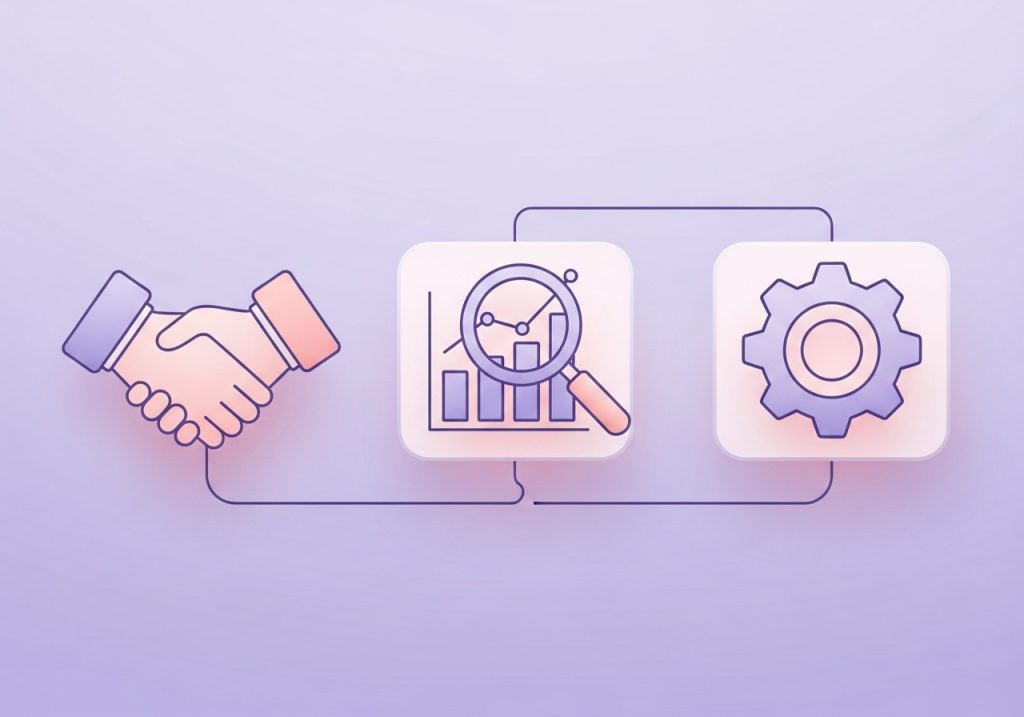
Key functions include:
- Market Research: Identifying and analyzing new markets, industry trends, and potential customer segments. This involves understanding the competitive environment and pinpointing unmet needs that the company can address.
- Lead Generation: Sourcing and qualifying potential clients or partners. This is often done through networking, content marketing, and targeted outreach, creating a pipeline of opportunities for the sales team.
- Partnership Development: Forging strategic alliances with other companies. These partnerships can open up new distribution channels, provide access to new technologies, or create joint offerings that benefit both parties.
- Strategic Planning: Working with leadership to define long-term growth objectives and developing the plans to achieve them. This includes setting targets, allocating resources, and aligning business development activities with marketing and sales efforts.
Why Business Development is Critical for Agencies and SaaS
In the competitive markets where marketing agencies and SaaS companies operate, business development is not just a nice-to-have, it’s a necessity for survival and growth. For these businesses, acquiring new customers can be expensive and time-consuming. A dedicated business development effort helps streamline this process and builds a more predictable revenue stream.
For an agency, effective business development might mean securing a strategic partnership with a complementary tech company, giving it access to a new pool of potential clients. For a SaaS business, it could involve identifying a new vertical to enter and adapting the product to meet that market’s specific needs. In both cases, the focus is on creating scalable, long-term value rather than just chasing the next contract. This strategic approach is a key part of building a resilient company and requires a strong approach to brand management to ensure a consistent public perception.
Key Strategies for Modern Business Development
A modern approach to business development integrates technology, data, and content to build relationships at scale. Instead of relying solely on cold calls and in-person events, successful teams use a multi-channel strategy to connect with prospects and partners. According to Salesforce, a well-defined plan involves researching your audience and using your best channels to reach them.

Here are some effective strategies for today’s market:
- Content Marketing: Creating and distributing valuable content (like blog posts, white papers, and webinars) establishes your company as a thought leader and attracts qualified leads. Consistently publishing helpful content builds trust and keeps your brand top-of-mind. Many teams use AI powered content creation platforms to produce high-quality articles at scale.
- Strategic Networking: Engaging with potential clients and partners at industry conferences, online forums, and professional groups. The goal is to build genuine relationships and understand the challenges in your industry, not just to pitch your services.
- Leveraging CRM Data: Using Customer Relationship Management (CRM) software to track interactions, manage the pipeline, and identify trends. Analyzing this data can reveal which strategies are most effective and where to focus your efforts.
- Building a Partner Ecosystem: Developing a network of complementary businesses that can refer clients or collaborate on projects. A strong partner ecosystem can become a powerful and cost-effective channel for acquiring new business.
Measuring Success in Your Business Development Efforts
To ensure your business development efforts are effective, you need to track the right metrics. Measuring success goes beyond just counting the number of new clients. It involves analyzing the quality of those clients, the profitability of new partnerships, and the overall impact on the company’s long-term growth trajectory.
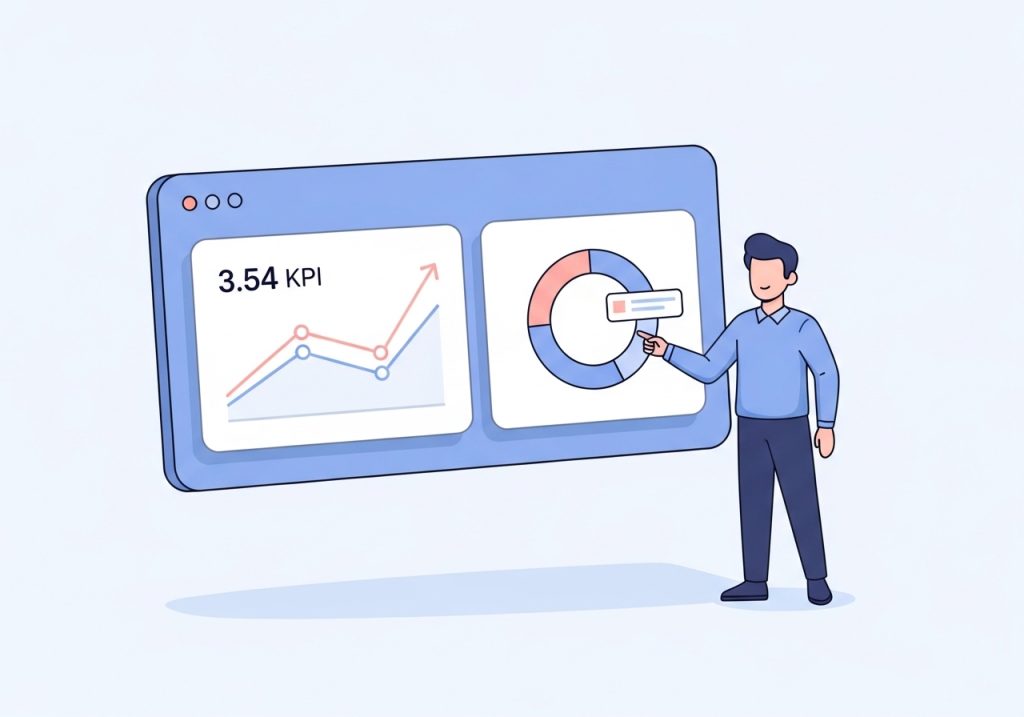
Key performance indicators (KPIs) to monitor include:
- Lead Generation Volume: The number of qualified leads generated through business development activities.
- Client Acquisition Cost (CAC): The total cost of your business development and sales efforts divided by the number of new clients acquired.
- Customer Lifetime Value (LTV): The total revenue a business can expect from a single customer account. An effective BD strategy should attract high-LTV clients.
- Partnership ROI: The revenue generated from partnerships compared to the resources invested in building and maintaining them.
- Pipeline Value: The total potential value of all opportunities in your business development pipeline.
By focusing on these metrics, you can get a clear picture of what’s working and make data-informed decisions to optimize your strategy. This approach transforms business development from a set of disconnected activities into a measurable engine for growth. This strategic alignment also connects with a philosophy of building trust through integrity marketing, as both focus on sustainable, value-driven relationships.
Consistent, high-quality content is a cornerstone of modern business development, but it takes time and resources that many teams don’t have. Ascend fully automates your blog content, from keyword research to daily publishing, right inside your WordPress dashboard. Stop spending hours on content and start focusing on building the strategic relationships that grow your business. See how Ascend can power your growth at https://ascend.cv/.

Written by
Ascend
Ascend is an automated SEO engine for WordPress. It handles keyword research, writes high-quality, search-optimized content, and publishes it directly to your site, so your traffic can grow on autopilot. Learn more