
A Practical Guide: How to Promote Your Blog and Grow Your Audience
Publishing a well-researched, insightful blog post is a significant accomplishment. But the work doesn’t end when you hit “publish.” Without a clear distribution plan, even the best content can fail to find its audience. Understanding how to promote your blog is just as important as the content creation process itself. This guide provides a structured approach for agencies, SaaS companies, and creator platforms to expand their reach, drive qualified traffic, and achieve their content marketing goals.
Step 1: Optimize for Search Engines
Before you actively promote your content, make sure it’s prepared for passive discovery through search engines. Foundational on-page SEO ensures your articles have the best possible chance of ranking for relevant queries. This initial step acts as a force multiplier for all your future promotional efforts. Focus on a few key areas: clear titles and meta descriptions that entice clicks, strategic keyword placement that feels natural, and logical internal linking to guide both users and search crawlers through your site. By paying attention to these details, you are building a sustainable source of traffic that works for you long after a promotional campaign ends. Proper optimization is the bedrock of any successful content strategy, making your assets discoverable for months and even years to come. This is a crucial part of creating effective SEO content from the start.
Step 2: Repurpose Content for Multiple Channels
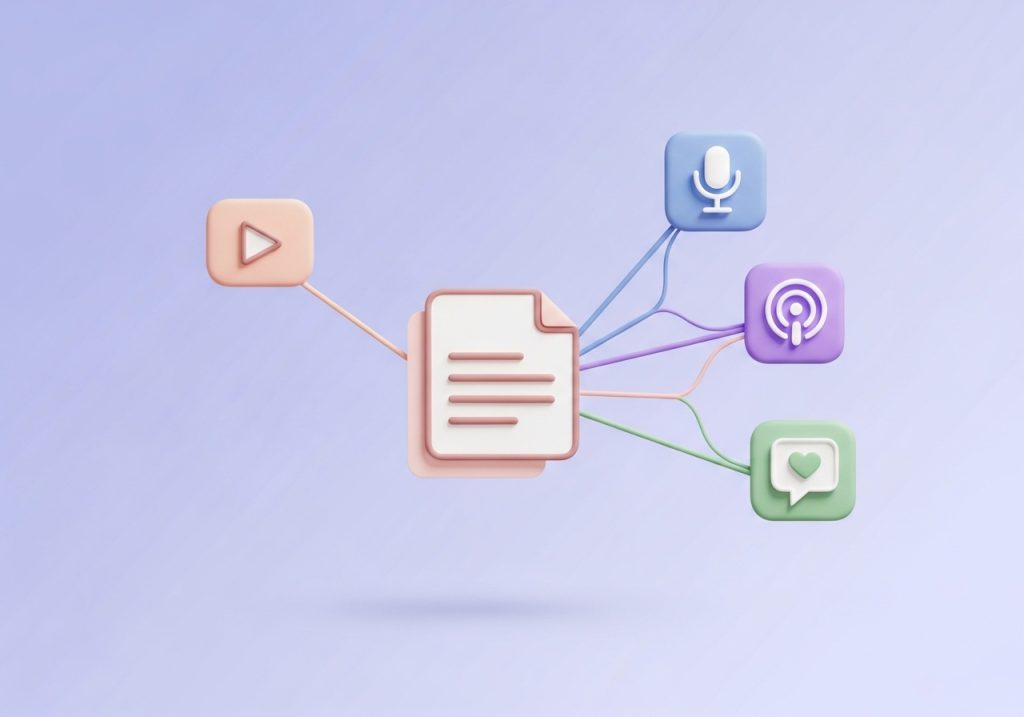
Your blog post is not a single asset; it is a source of multiple content pieces. Repurposing your main article allows you to reach different audience segments on the platforms they prefer. A single blog post can be transformed into several distinct assets. For example, you can extract key statistics and quotes to create a visually engaging infographic for Pinterest. You can summarize the main points into a concise Twitter thread or a professional LinkedIn carousel. You could even use the article as a script for a short YouTube video or a podcast episode. This strategy maximizes the return on your initial content investment and reinforces your message across various touchpoints, increasing brand recall and authority.
Step 3: Build and Nurture an Email List
An email list is one of the most valuable marketing assets you can own. Unlike social media followings, your email list is not subject to algorithmic changes or platform volatility. It provides a direct line of communication with your most engaged audience members. To build your list, offer valuable resources like ebooks, checklists, or webinar recordings in exchange for an email address. Once you have subscribers, nurture the relationship by regularly sending them your new blog posts and other exclusive content. A well-managed email newsletter can become a primary source of traffic for every new article you publish, driving immediate engagement and creating a loyal community around your brand.

Step 4: Share Strategically on Social Media
Sharing your blog post on social media is a standard practice, but a strategic approach yields far better results than simply posting a link. Tailor your message for each platform. On LinkedIn, you might post a professional summary focusing on the business implications of your article. For Twitter, you could create a thread highlighting the most compelling data points. On Instagram, a visually appealing carousel or a story with a “link in bio” sticker can be effective. It is also important to engage with comments and questions to foster discussion. Schedule your posts at optimal times when your audience is most active and use relevant hashtags to increase discoverability beyond your immediate followers.
Step 5: Engage in Relevant Online Communities
Your target audience is already gathering in online communities to discuss challenges and share solutions. Platforms like Reddit, Quora, Slack channels, and niche industry forums are excellent places to promote your content authentically. The key is to provide value first. Participate in discussions, answer questions, and establish yourself as a helpful expert. When it is genuinely relevant, you can share a link to your blog post as a resource that provides a more detailed answer. This approach positions you as a contributor to the community rather than a self-promoter, building trust and driving highly qualified traffic back to your site.

Step 6: Write Guest Posts and Collaborate with Peers
Collaborating with other respected brands or influencers in your industry can significantly expand your reach. Writing guest posts for other blogs introduces your expertise to an established audience and generates valuable backlinks, which are a critical component of a successful off-page SEO strategy. Look for sites that share a similar audience but are not direct competitors. You can also co-host webinars, participate in joint research projects, or simply mention other experts in your own content and notify them. These collaborative efforts build relationships and create cross-promotional opportunities that benefit everyone involved.
Step 7: Consider Paid Advertising Channels
While organic promotion is cost-effective, paid advertising can provide a valuable boost, especially for your most important content. Platforms like Google Ads, LinkedIn Ads, and Facebook Ads allow you to target specific demographics, job titles, or interests with precision. You can use paid ads to amplify a blog post that is already performing well organically, driving it to an even larger audience. This method is particularly useful for promoting content tied to a product launch or a major campaign, as it delivers predictable and scalable results in a short period.
Step 8: How to Promote Your Blog with Automation
Consistent content creation is the fuel for any promotional strategy. The more high-quality content you produce, the more opportunities you have to engage your audience and attract new visitors. This is where automation becomes a powerful ally. By using tools to streamline content planning, writing, and publishing, your team can free up valuable time. This reclaimed time can be reinvested into the promotional activities described in this guide, such as community engagement, content repurposing, and building partnerships. For agencies and busy SaaS teams, choosing the right automation tools can be the difference between a stalled content engine and a scalable growth strategy.
A successful blog is the result of two equal parts: excellent content and intelligent promotion. By implementing these strategies, you create a system that ensures your hard work reaches the intended audience. From optimizing for search to engaging with communities and automating creation, a multi-channel promotional plan is the key to turning your blog into a reliable engine for traffic, leads, and brand authority.
Spending less time writing and more time promoting sounds ideal, right? With Ascend, you can fully automate your blog content creation right from your WordPress dashboard. Our AI-powered platform handles everything from keyword research and content calendars to writing and publishing daily, high-quality posts. Free your team to focus on strategic growth activities. See how Ascend can transform your content workflow.

Written by
Ascend
Ascend is an automated SEO engine for WordPress. It handles keyword research, writes high-quality, search-optimized content, and publishes it directly to your site, so your traffic can grow on autopilot. Learn more