
A Step-by-Step Guide to Effective Off Page SEO
Optimizing your website’s content and technical structure is only half the battle for search engine visibility. To truly gain a competitive edge, you need to build your site’s authority and reputation across the web. This is where a strong off page SEO strategy comes into play. It involves all the actions taken outside of your own website to impact your rankings within search engine results pages. For agencies and SaaS companies, mastering this discipline is key to establishing brand credibility and driving qualified traffic.
This guide breaks down the process into five clear steps. We will cover everything from foundational principles to actionable tactics that you can use to build a powerful off page presence. By focusing on quality and relevance, you can create a sustainable strategy that earns trust from both search engines and potential customers.
Step 1: Understand the Core Components of Off Page SEO
Before launching a campaign, it is essential to understand what activities constitute off page optimization. These tactics are designed to show search engines that your website is trustworthy, authoritative, and valuable to users. Think of them as external signals that validate the quality of your on-site content.
The main components include:
- Link Building: This is the practice of acquiring hyperlinks from other websites to your own. Each link from a high-quality, relevant site acts as a vote of confidence, telling search engines that your content is credible. The quality of the linking domain matters more than the sheer quantity of links.
- Brand Mentions: Even without a direct link, a mention of your brand name on another reputable website, forum, or social media platform can be a positive signal. Search engines are becoming sophisticated enough to associate these mentions with your brand, contributing to your overall authority.
- Social Signals: While the direct impact of social media shares on rankings is debated, a strong social presence can indirectly support SEO. Shares, likes, and comments can increase the visibility of your content, leading to more brand mentions and potential backlinks.
- Online Reviews: Positive reviews on platforms like Google Business Profile, G2, or Capterra build trust with potential customers. They also send signals to search engines about your business’s legitimacy and reputation.
Step 2: Establish Link Building Goals and Metrics
A successful off page strategy requires clear goals. Simply aiming for “more links” is not specific enough. You need to define what you want to achieve and how you will measure success. This allows you to focus your efforts and demonstrate the value of your work to stakeholders or clients.
Your goals should be specific, measurable, achievable, relevant, and time-bound (SMART). Examples include:
- Increasing your website’s Domain Rating (DR) or Domain Authority (DA) by 10 points in six months.
- Acquiring 20 high-quality backlinks to a new product page within the next quarter.
- Improving the keyword ranking for a primary target term from page two to page one.
- Boosting referral traffic from other websites by 15% over the next quarter.
Once you have your goals, identify the key performance indicators (KPIs) you will track. These metrics provide insight into your progress. Common KPIs for off page SEO include the number of new referring domains, the quality of those domains, changes in organic keyword rankings, and the volume of referral traffic.
Step 3: Execute High-Impact Link Building Tactics
With clear goals in place, you can begin executing tactics to build high-quality backlinks. The key is to focus on strategies that provide genuine value to the linking website and its audience. Avoid spammy or low-effort techniques, as they can harm your site’s reputation.
Guest Blogging on Industry Sites
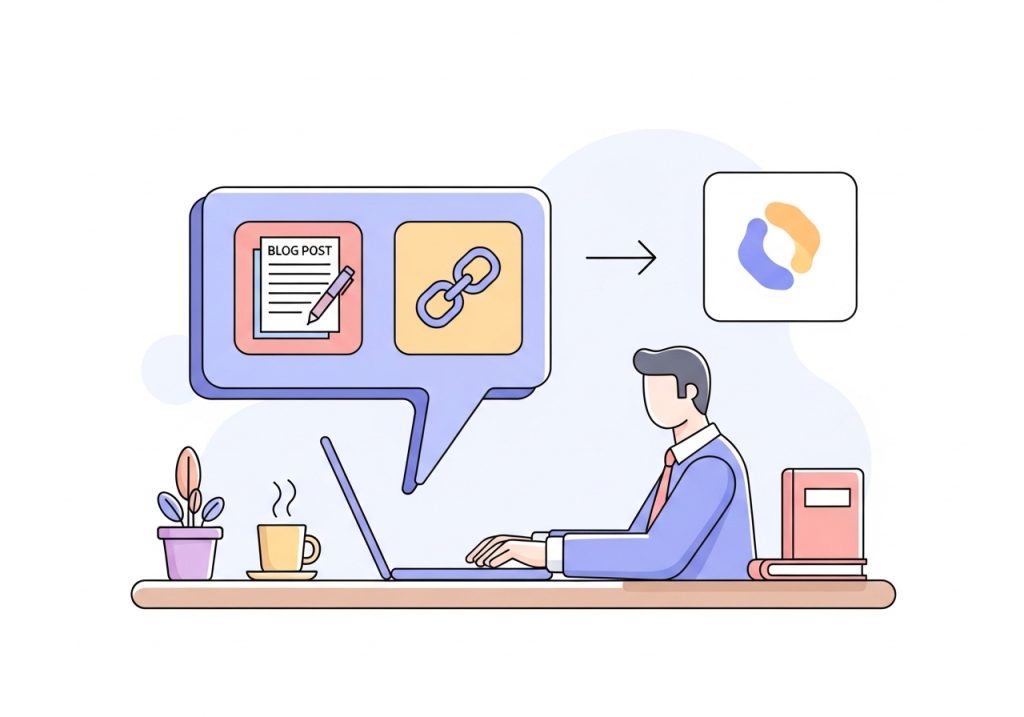
Guest blogging involves writing and publishing an article on another company’s website or blog. This is an effective way to reach a new audience, build relationships, and earn a relevant backlink to your site. The process involves identifying authoritative blogs in your niche, developing a compelling topic, and sending a personalized outreach email. To learn more about crafting outreach that gets results, you can find several effective guest post pitch examples to guide your approach.
Create and Promote Linkable Assets
A “linkable asset” is a piece of content created with the specific purpose of attracting backlinks. These assets are typically highly valuable, informative, and shareable. Examples include:
- Original research reports or industry studies.
- Comprehensive guides or tutorials.
- Free tools or calculators.
- Visually compelling infographics or data visualizations.
Once you create an asset, the next step is to promote it. This involves reaching out to journalists, bloggers, and industry influencers who might find the content useful for their own audiences and be willing to link to it.
Broken Link Building
This tactic involves finding resources on other websites that are no longer active (a 404 error). You can then contact the site owner to report the broken link and suggest your own relevant content as a replacement. It’s a helpful and non-transactional way to build a link, as you are providing value by helping the site owner fix an error on their page.
Step 4: Amplify Content and Secure Brand Mentions
Your off page SEO work should not stop with link building. Amplifying your content across various channels is crucial for maximizing its reach and earning valuable brand mentions. A comprehensive promotion strategy ensures your best content gets in front of the right people.
Think about how to promote your business through a multi-channel approach. Share your blog posts, case studies, and reports on social media platforms where your audience is active. Engage with others in relevant online communities like industry-specific forums, Slack channels, or subreddits. When you participate authentically and share helpful information, you build brand recognition and can organically attract mentions.

You should also set up alerts to monitor for mentions of your brand name online. Tools like Google Alerts or specialized brand monitoring software can notify you whenever your company is mentioned. If you find an unlinked mention on a quality website, you can reach out to the author or editor and politely request that they add a link to your site. This simple step can turn a simple mention into a valuable backlink.
Step 5: Monitor and Analyze Your Performance
Off page SEO is not a one-time task. It requires continuous monitoring and analysis to understand what is working and where you can improve. Regularly tracking your performance against the goals you set in Step 2 is essential for demonstrating ROI and refining your strategy over time.
Use SEO tools like Ahrefs, Moz, or Semrush to monitor your backlink profile. Pay attention to new links you have acquired, as well as any links you have lost. Analyze the quality of the referring domains and the anchor text being used. A healthy backlink profile is diverse and grows steadily over time.
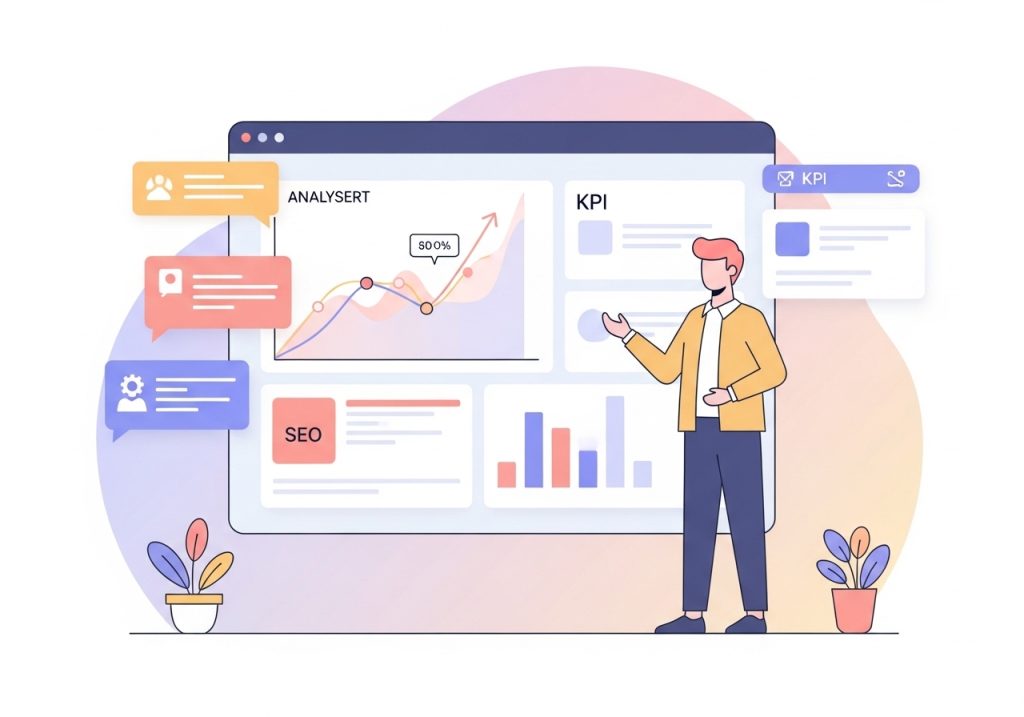
In addition to backlink analysis, use Google Analytics and Google Search Console to measure the impact on your business objectives. Look for correlations between your off page activities and key metrics. For example, did a recent digital PR campaign lead to a spike in referral traffic? Did acquiring links from several high-authority sites help to increase organic search traffic and improve your keyword rankings? This data-driven approach will help you allocate resources to the most effective tactics.
An effective off page SEO strategy is a long-term investment in your brand’s digital presence. It requires patience, persistence, and a focus on building genuine relationships. By following these steps, you can create a sustainable process that builds your site’s authority, drives relevant traffic, and establishes your brand as a trusted leader in your industry. The goal is not just to acquire links, but to earn them by providing real value across the web.
Executing a thoughtful off page SEO strategy takes time and consistent effort. While you focus on building relationships and securing high-value links, let Ascend handle your on-page content creation.
Ascend fully automates your blog content pipeline, from keyword research to publishing, right inside your WordPress dashboard. This means you can maintain a consistent publishing schedule with high-quality, SEO-optimized articles without the manual workload. Free up your team to focus on strategic outreach and authority building while we ensure your content foundation is solid. Learn how Ascend can automate your content calendar today.

Written by
Ascend
Ascend is an automated SEO engine for WordPress. It handles keyword research, writes high-quality, search-optimized content, and publishes it directly to your site, so your traffic can grow on autopilot. Learn more