
How to Craft a Lead: A 5-Step Guide for Agencies and SaaS
To craft a lead, you must implement a systematic process that identifies your ideal customer, attracts them with valuable content, and qualifies their interest before engaging them in a sales conversation. This structured approach transforms anonymous website visitors into potential customers for your agency or SaaS company. By focusing on quality over quantity, you can build a predictable pipeline of prospects who are genuinely interested in what you offer.
This guide breaks down the process into five actionable steps. Following these will help your team move beyond sporadic lead generation and build a sustainable engine for growth. Each step builds on the last, creating a cohesive strategy from initial awareness to sales readiness.
Step 1: Define Your Ideal Customer Profile (ICP)
Before you can find potential customers, you must know exactly who you are looking for. An Ideal Customer Profile (ICP) is a detailed description of the perfect customer for your product or service. This is not a real company but a fictional one that has all the qualities that would make them a great fit. Creating a clear ICP is the foundational step in crafting a lead because it ensures all your marketing and sales efforts are aimed at the right audience.
A well-defined ICP goes beyond basic demographics. It should include specific attributes that signal a high probability of success and satisfaction. Consider the following factors:
- Firmographics: This includes the company’s industry, size (revenue or employee count), and geographic location. For example, you might target SaaS companies in North America with 50-200 employees.
- Technographics: What technologies does your ideal customer already use? Knowing their tech stack (e.g., CRM, marketing automation platform, cloud provider) can help you understand their needs and integration capabilities.
- Pain Points: What specific challenges or problems does your product or service solve for them? A strong lead is one that recognizes they have a problem you can fix.
- Business Goals: What are they trying to achieve? Whether it’s increasing organic traffic, improving operational efficiency, or scaling their marketing, understanding their goals helps you frame your solution.
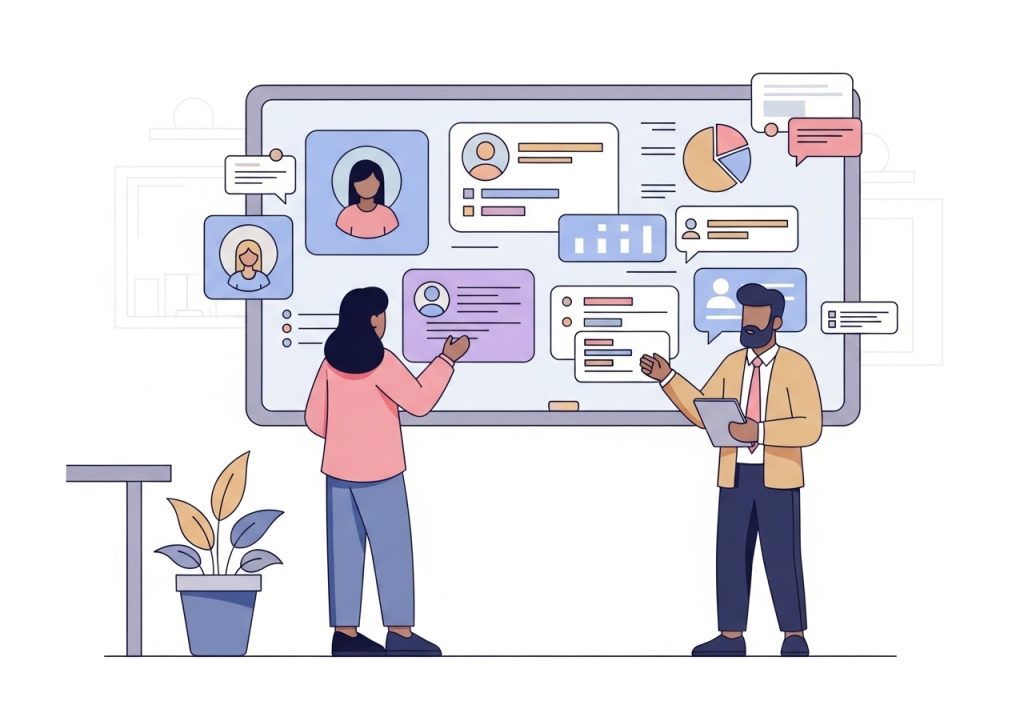
Documenting your ICP provides a filter for all subsequent activities. It guides your content strategy, your ad targeting, and your lead qualification criteria, ensuring everyone on your team is aligned on who constitutes a valuable prospect.
Step 2: Attract Prospects with Valuable Content
Once you know who you are targeting, the next step is to attract them to your website. The most effective way to do this is by creating high-quality, relevant content that addresses their pain points and answers their questions. This approach, known as inbound marketing, positions your brand as a helpful authority in your industry and builds trust long before a sales pitch is ever made.
Your content should be tailored to the interests and challenges of your ICP. For agencies and SaaS companies, effective content formats often include:
- Blog Posts: In-depth articles that explore industry topics, offer practical advice, or provide solutions to common problems. Consistently publishing is key to developing a solid strategy to boost SEO and draw organic traffic.
- Ebooks and Whitepapers: Longer-form content that provides a comprehensive look at a complex subject. These are excellent for capturing leads.
- Case Studies: Real-world examples of how you have helped customers similar to your ICP achieve their goals.
- Webinars: Live or on-demand presentations that educate your audience on a specific topic, often featuring a Q&A session.

The goal is to provide genuine value. When a potential customer finds your content helpful, they are more likely to view your company favorably and share their contact information. For teams looking to scale this effort, automating your content creation can help maintain consistency without sacrificing quality.
Step 3: Capture Contact Information with a Clear Offer
Attracting visitors is only half the battle. To turn an anonymous visitor into a lead, you need to capture their contact information, typically an email address. This is accomplished by offering something of value in exchange. This offer is known as a lead magnet. As explained by Salesforce, a good lead magnet should be quick and easy for the prospect to digest while solving a specific problem for them.
Your lead magnet should be directly related to the content that attracted the visitor. For example, a visitor reading a blog post about SEO strategy might be interested in a “Comprehensive SEO Checklist” or an ebook titled “The Agency’s Guide to Link Building.” Other effective lead magnets include:
- Templates (e.g., content calendar, project plan)
- Free trials or demos of your software
- Exclusive access to a webinar recording
- A detailed case study
To capture this information, you will need a landing page with a form. The landing page should be simple, with a clear headline that communicates the value of the offer. The form should only ask for essential information. At this early stage, a name and email address are often enough. The easier you make it for someone to get your offer, the higher your conversion rate will be.
Step 4: Qualify the Lead Based on Fit and Intent
Not all leads are created equal. Once you have captured a contact’s information, the next crucial step is to qualify them. Qualification is the process of determining whether a lead is a good fit for your business and if they are genuinely interested in purchasing. This prevents your sales team from wasting time on prospects who are unlikely to become customers.
Lead qualification typically involves two main components:
- Fit: Does the lead match your Ideal Customer Profile? Analyze the information they provided (like company size or industry) to see if they align with your target market. You can also enrich this data with third-party tools to get a more complete picture.
- Intent: Is the lead demonstrating buying behavior? Look at their actions on your website. Did they visit your pricing page, view a case study, or request a demo? High-intent actions suggest they are moving beyond simple research and are actively considering a purchase.
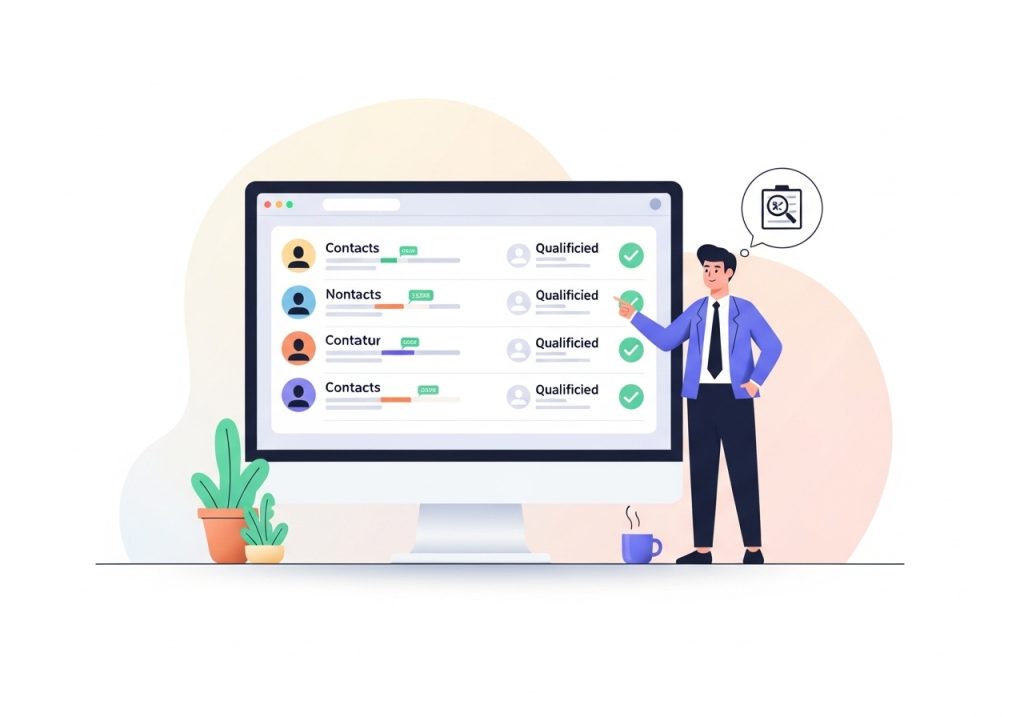
Many businesses use lead scoring to automate this process. Lead scoring assigns points to leads based on their attributes and actions. For instance, a lead from a target industry might get 10 points, while a visit to the pricing page adds another 15. Once a lead reaches a certain score threshold, they are considered a Marketing Qualified Lead (MQL) and can be passed to the sales team. This data-driven approach is one of the key best practices for modern lead generation.
Step 5: Nurture the Relationship Before Sales Handoff
Most leads are not ready to buy the moment they download an ebook. They require further education and trust-building before they are prepared to speak with a salesperson. This process is called lead nurturing. The goal is to stay top-of-mind and guide the prospect through their buying journey with helpful, relevant content.
Email marketing is the most common channel for lead nurturing. You can create automated email sequences (or “drip campaigns”) that are triggered when someone becomes a lead. A typical nurturing sequence might look like this:
- Email 1: Delivers the lead magnet they requested.
- Email 2: Shares a related blog post or case study a few days later.
- Email 3: Invites them to a relevant webinar or offers another high-value piece of content.
- Email 4: Asks a question to encourage a reply or presents a soft call-to-action, like scheduling a brief consultation.
The key to successful nurturing is personalization. The content you send should be based on the lead’s interests and behavior. By providing consistent value over time, you build a relationship based on trust, not pressure. When a lead becomes highly engaged (e.g., clicking on multiple emails, visiting key pages), they become a Sales Qualified Lead (SQL) ready for a direct conversation.
Ultimately, learning how to craft a lead is about building a repeatable system. It requires a clear understanding of your customer, a commitment to creating valuable content, and a thoughtful process for qualifying and nurturing prospects. By methodically moving potential customers through this funnel, you can create a reliable source of high-quality opportunities for your sales team to close.
Consistently creating high-quality content is essential for attracting and nurturing leads, but it takes significant time and resources. Ascend fully automates your blog content creation right inside WordPress. From keyword research and content calendars to writing and publishing SEO-optimized articles daily, Ascend handles the entire process. Grow your organic traffic and build a predictable lead pipeline without the manual effort. Discover how Ascend can scale your content strategy today.

Written by
Ascend
Ascend is an automated SEO engine for WordPress. It handles keyword research, writes high-quality, search-optimized content, and publishes it directly to your site, so your traffic can grow on autopilot. Learn more