
How to Increase Organic Search Traffic: A 5-Step Guide
Understanding how to increase organic search traffic is essential for any modern business, from marketing agencies to SaaS companies. Organic traffic represents highly qualified visitors who are actively searching for solutions you provide. Unlike paid channels, this traffic is sustainable and builds brand authority over time. However, growing it requires a consistent and strategic approach that goes beyond simply publishing content. This guide outlines a five-step process to build a strong foundation for sustainable organic growth.
Step 1: Conduct Strategic Keyword Research
The foundation of any successful SEO strategy is understanding what your audience is searching for. Strategic keyword research is not just about finding high-volume terms; it is about uncovering user intent. You need to know the specific questions, problems, and needs your potential customers have when they turn to a search engine.
Start by brainstorming core topics related to your business. For an advertising agency, these might include “PPC campaign management” or “social media advertising.” Use SEO tools to expand these core topics into a list of specific keywords. Pay close attention to long-tail keywords, which are longer and more specific phrases like “how to reduce cost per click in Google Ads.” These terms often have lower search volume but much higher conversion rates because the user’s intent is very clear. Analyzing competitors’ rankings can also reveal valuable keyword opportunities you might have missed. The goal is to create a detailed map of search terms that aligns directly with your services and your audience’s journey. From there, you can start learning about properly adding keywords to your website to attract the right visitors.
Step 2: Address Technical SEO Foundations
Your content can be excellent, but if search engines cannot find, crawl, and index it efficiently, your organic traffic will suffer. Technical SEO ensures your website is accessible and understandable to search engine bots. It is the framework that supports all your content efforts.
Several key elements contribute to a healthy technical foundation. First is page speed. Users expect fast-loading pages, and search engines prioritize them. Use tools like Google’s PageSpeed Insights to identify and fix issues slowing your site down. Second is mobile-friendliness. With a majority of searches happening on mobile devices, a responsive design that works perfectly on any screen size is non-negotiable. Finally, ensure your site is secure with HTTPS. An SSL certificate protects your users’ data and is a confirmed ranking signal. Other important factors include a clean URL structure, an XML sitemap to help search engines discover all your pages, and using navigational aids like breadcrumbs to improve user experience.
Step 3: Create High-Value Content to Increase Organic Search Traffic
With a solid technical base and a list of target keywords, the next step is to create content that genuinely serves your audience. High-value content is the primary driver of organic traffic. It answers the questions discovered during your research, solves problems, and establishes your brand as a trusted authority in your industry. For agencies and SaaS businesses, this means creating insightful blog posts, detailed guides, and informative case studies.
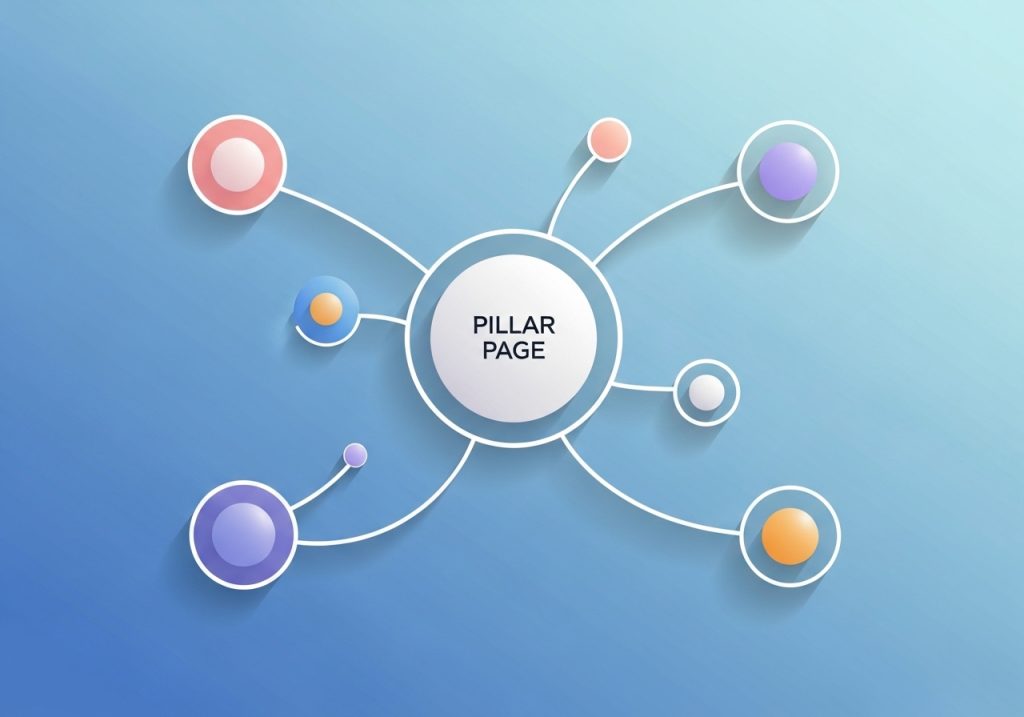
Consistency is vital. Publishing a single blog post and hoping for the best is not a viable strategy. You need a content calendar that ensures a steady stream of fresh, relevant material. Each piece of content should be built around a primary keyword and a cluster of related secondary keywords. This approach, known as the topic cluster model, helps you build authority on a specific subject and signals to search engines that your site is a comprehensive resource. Focus on quality over quantity. A well-researched, in-depth article will always outperform several short, superficial ones.

Step 4: Optimize On-Page SEO Elements
On-page SEO involves optimizing individual web pages to rank higher and earn more relevant traffic. It is about making sure both search engines and human readers can quickly understand what your content is about. This process involves strategically placing your keywords where they have the most impact.
Key on-page elements to optimize include:
- Title Tags: This is the clickable headline that appears in search results. It should include your primary keyword and be compelling enough to encourage clicks.
- Meta Descriptions: The short summary that appears under the title tag in search results. While not a direct ranking factor, a well-written meta description improves click-through rates.
- Header Tags (H1, H2, H3): These structure your content, making it easier for users to read and for search engines to understand the hierarchy of your information. Your main title should be in an H1 tag, with subheadings in H2s and H3s.
- Image Alt Text: Alternative text describes an image for visually impaired users and for search engines. It provides another opportunity to include relevant keywords.
- URL Slugs: Keep URLs short, descriptive, and include your primary keyword.
Integrate keywords naturally throughout your body copy. Avoid “keyword stuffing,” which is an outdated practice that can harm your rankings. The content should always flow smoothly and be written for the reader first.
Step 5: Build a Strong Linking Structure
Links are a critical signal to search engines about your site’s authority and relevance. There are two types of links to focus on: internal links and external links (or backlinks). A strong strategy for both is necessary to grow organic traffic.
Internal links are links that point from one page on your website to another. They help search engines understand the relationship between your content, pass authority between pages, and guide users to relevant information, keeping them on your site longer. When you publish a new blog post, look for opportunities to link to it from older, relevant articles, and vice versa. This creates a connected web of content that is powerful for SEO.
Backlinks are links from other websites to yours. They act as a vote of confidence, signaling to search engines that other reputable sources trust your content. Earning high-quality backlinks is a long-term effort. It often involves creating exceptional, link-worthy content (like original research or comprehensive guides) and conducting outreach to other sites in your industry. One effective method is guest posting, which involves writing articles for other publications and can be improved with outreach using effective guest post pitches.
Putting It All Together
Increasing organic search traffic is a marathon, not a sprint. It requires a systematic approach that combines technical proficiency, deep audience understanding, and a commitment to creating valuable content. By following these five steps—conducting thorough keyword research, securing your technical foundation, creating high-quality content, optimizing on-page elements, and building a strong linking structure—you create a powerful and sustainable engine for growth. Each step builds on the last, creating a compounding effect that will drive qualified visitors to your site for years to come.
Managing a consistent, high-quality content strategy can feel like a full-time job. Ascend automates the entire process, from keyword research and content planning to writing and publishing SEO-optimized articles directly to your WordPress site. Stop spending hours on content creation and start seeing organic growth.

Written by
Ascend
Ascend is an automated SEO engine for WordPress. It handles keyword research, writes high-quality, search-optimized content, and publishes it directly to your site, so your traffic can grow on autopilot. Learn more