
How to Use Demographics in Marketing for Better Targeting
Understanding your audience is the first rule of effective marketing. Without a clear picture of who you’re talking to, your messages can miss the mark, wasting time and resources. This is where using demographics in marketing becomes a critical practice. By breaking down your market into specific, quantifiable segments, you can create campaigns that resonate on a deeper level, driving engagement and conversions. It’s not about making assumptions; it’s about using data to build a foundation for genuine connection.
What Are Demographics in Marketing?
Demographics are statistical data relating to the population and particular groups within it. In a marketing context, this data provides a structured profile of your target customer based on objective, factual attributes. Think of it as the “who” in your marketing equation. These are not personality traits or buying habits, but the fundamental characteristics that define a person’s place in society.
Common demographic data points include age, gender, income level, education, location, and marital status. When collected and analyzed, this information allows marketing teams, agencies, and SaaS companies to segment a broad audience into smaller, more manageable groups. This segmentation is powerful because people with similar demographic profiles often share similar needs, preferences, and media consumption habits. For example, a campaign for a retirement planning service will use different language and channels than one for a new gaming app, and demographics provide the initial roadmap for making those strategic distinctions.
Key Demographic Variables to Consider
To effectively use demographics, you need to know which variables are most relevant to your product or service. While the list can be extensive, a few core data points provide the most value for the majority of marketing campaigns.

Age
Age is one of the most common demographic variables because consumer needs and desires often change dramatically throughout their lives. A 22-year-old recent graduate has different priorities and financial constraints than a 45-year-old parent. Segmenting by age helps you tailor your content, product offers, and even the tone of your messaging to align with the life stage of your target audience.
Gender
While it’s important to avoid stereotypes, gender can influence purchasing decisions for certain products, such as apparel, personal care items, and publications. Some brands may target one gender specifically, while others might create different campaign versions to appeal to distinct male and female audiences.
Income Level
A person’s income directly affects their purchasing power and spending habits. This variable is crucial for pricing strategies and positioning. Luxury brands target high-income households, while discount retailers appeal to those with more budget constraints. For SaaS companies, income level can help determine appropriate pricing tiers for individuals, small businesses, or enterprise clients.
Geographic Location
Where your customers live can influence everything from their product needs (e.g., winter coats in cold climates) to their cultural preferences. Location data is also essential for local marketing, targeted advertising, and understanding regional market differences. For businesses targeting specific cities, a deep dive into local SEO strategies is essential for gaining visibility.
Education and Occupation
A person’s level of education and their profession can indicate their interests, lifestyle, and income potential. A tech company marketing a complex productivity tool might target individuals in specific industries or with higher education levels who are more likely to understand and need their solution. This data helps refine messaging to speak the language of a specific professional community.
How to Gather Demographic Data
Collecting accurate demographic information is more accessible than ever. Several tools and methods can help you build a comprehensive picture of your audience without being intrusive.

One of the most powerful sources is your own website and social media analytics. Platforms like Google Analytics provide detailed reports on the age, gender, and location of your website visitors. Similarly, the insights tabs on Facebook, Instagram, and LinkedIn offer rich demographic data about your followers and the people engaging with your content. A key part of understanding your website’s audience is digging into these reports regularly.
Customer surveys are another direct method. You can use tools like SurveyMonkey or Typeform to ask your existing customers or email subscribers for this information directly. To encourage participation, consider offering a small incentive, like a discount or entry into a giveaway. Keep surveys short and explain how the data will be used to improve their experience.
Finally, existing market research from third-party sources can be valuable. Organizations like Pew Research Center or government statistics agencies publish broad demographic data that can help you understand general market trends and characteristics.
Applying Demographics to Your Marketing Strategy
Once you have the data, the next step is to use it to make smarter decisions. Demographic insights should inform nearly every aspect of your marketing plan, from creative development to media buying.
First, use demographics to refine your messaging. The language you use to communicate with a group of Gen Z college students should be different from how you address C-suite executives. This applies to your ad copy, blog posts, email newsletters, and social media captions. Personalization based on demographics makes your content feel more relevant and less generic.
Second, let the data guide your channel selection. If your data shows your target audience is primarily women aged 50-65, investing heavily in TikTok might not be the most efficient use of your budget. Instead, you might focus on Facebook and Pinterest. Knowing where your audience spends their time online prevents you from wasting resources on platforms they don’t use. Learning to put these insights into practice with effective strategies can dramatically improve your campaign ROI.
Demographics can also influence product development. If you discover a significant portion of your user base is in a lower income bracket, you might consider introducing a more affordable product tier or a flexible payment plan. This shows you are listening to your audience’s needs and adapting to serve them better.
Beyond Demographics: Combining Data for a Fuller Picture
While demographics are a powerful starting point, they don’t tell the whole story. Two people can share the same age, gender, and income but have completely different interests, values, and motivations. Relying only on demographics can lead to one-dimensional personas and missed opportunities.
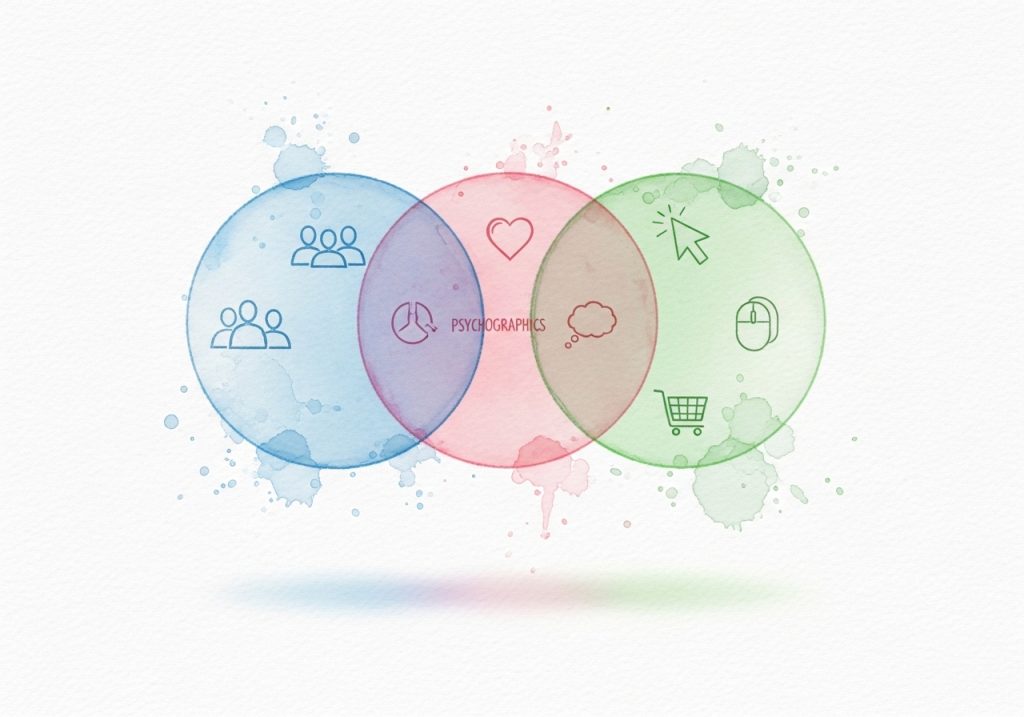
To create truly nuanced and effective marketing, you should combine demographic data with two other types of information:
- Psychographics: This data covers a person’s psychological attributes, like their values, interests, attitudes, and lifestyle. It answers the “why” behind their actions. Do they value sustainability? Are they early adopters of technology? Psychographics help you understand what motivates your audience on an emotional level.
- Behavioral Data: This information tracks how customers interact with your brand. It includes purchase history, website pages visited, email open rates, and feature usage within your app. This data shows what your audience does, not just who they are.
When you layer these three data types, you get a complete, 360-degree view of your customer. You move from “women, 25-34, with a college degree” to “environmentally conscious young professionals who read tech blogs, prefer online shopping, and have recently downloaded our free trial.” This level of detail allows for highly targeted and genuinely personalized marketing that builds stronger customer relationships.
In summary, using demographics in marketing is a non-negotiable first step for any serious campaign. It provides the essential structure needed for smart segmentation and targeting. By gathering accurate data and applying it to your messaging and channel strategy, you set your brand up for success. For the best results, use demographics as a foundation and build upon it with psychographic and behavioral insights to create a marketing strategy that truly connects with people.
Understanding your audience demographics is just the beginning. Creating consistent, high-quality content that speaks to them takes time and effort. Ascend automates your entire blog content strategy right from your WordPress dashboard. From keyword research and content calendars to writing and publishing daily posts, Ascend handles the heavy lifting so you can focus on growing your business. Stop spending hours on content and start seeing organic growth. Learn how Ascend can automate your content creation today.

Written by
Ascend
Ascend is an automated SEO engine for WordPress. It handles keyword research, writes high-quality, search-optimized content, and publishes it directly to your site, so your traffic can grow on autopilot. Learn more