
8 Personal Brand Examples That Define Modern Authority
Building a personal brand is no longer just a vanity project for influencers. It is a strategic asset for founders, agency owners, and creators. A strong personal brand acts as a force multiplier for your business. It reduces customer acquisition costs, attracts better talent, and creates a moat that competitors cannot easily cross.
However, many people misunderstand what a personal brand actually is. They confuse it with being famous or having a viral video. True authority comes from consistency, utility, and distinct positioning. It comes from being the signal in the noise.
To understand how to build this kind of authority, we need to look at what works in the real world. By analyzing specific personal brand examples, we can reverse-engineer the strategies that turn casual readers into loyal advocates. The following examples cover different styles—from tactical educators to narrative storytellers—but they all share one thing: they deliver undeniable value.
The Anatomy of a High-Converting Personal Brand
Before looking at specific people, we must define the structural elements that make a personal brand effective. If you look closely at the top creators in the B2B and SaaS spaces, you will notice they do not rely on luck. They rely on a system.
First, they have a specific value proposition. They do not try to be everything to everyone. They solve one specific problem for one specific person. Second, they maintain visual and tonal consistency. When a user sees their post in a feed, they know exactly who wrote it before they read the byline. Third, they prioritize trust over reach. They would rather have 10,000 engaged followers who buy their products than 1 million followers who simply scroll past.
Personal Brand Examples: The Tactical Educators
The “Tactical Educator” is a brand archetype that focuses on “how-to” content. These creators do not just share opinions; they share playbooks. They take complex processes and break them down into step-by-step systems that others can replicate.
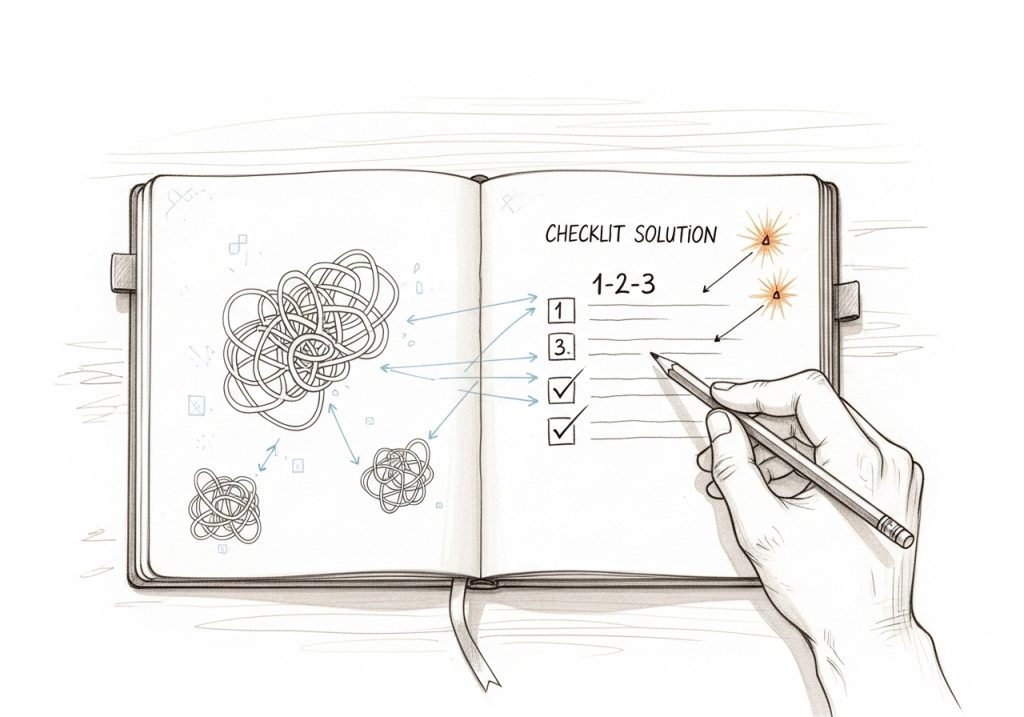
Justin Welsh is the definitive example of this style. He built a massive audience by documenting his journey from a tech executive to a solopreneur. His content is rarely abstract. Instead, he provides specific templates for LinkedIn posts, exact frameworks for finding a niche, and clear instructions on building digital products.
This approach works because it respects the reader’s time. It offers an immediate return on investment for the attention spent reading the post. For agency owners, adopting this style can be powerful. By transparently sharing how you deliver results, you prove your expertise without needing to boast. It is the most effective way to position yourself when restructuring your offer to sell content services at a premium. Clients buy from educators because they trust that the educator knows the process inside and out.
Personal Brand Examples: The Storytellers
While educators focus on utility, storytellers focus on retention. They use narrative arcs, historical analogies, and personal anecdotes to make business concepts stick. This style is particularly effective for broad concepts that might otherwise feel dry or technical.
Sahil Bloom is a strong example here. He often uses paradoxes or historical stories to explain modern economic theories or productivity hacks. Instead of simply saying “compound interest is good,” he might tell a story about a historical figure who utilized small consistent actions to build an empire. This narrative wrapper makes the advice memorable.
Storytelling allows a brand to expand beyond a narrow niche. It attracts a wider audience because humans are wired to remember stories better than facts. However, successful storytellers don’t just guess what stories will work. They are often relentless at performing a deep competitive analysis to see what narratives are resonating in the market and where there are gaps they can fill with their unique perspective.
Personal Brand Examples: The Curators
You do not always have to be the source of the original idea to build a massive personal brand. The “Curator” model is built on becoming a trusted filter for information. In an age of information overload, the person who filters the noise is just as valuable as the person who creates the signal.
Tim Ferriss is the archetype here. While he writes original books, his podcast and “5-Bullet Friday” newsletter are essentially curation engines. He finds the best experts, the best tools, and the best tactics, and delivers them to his audience. The value proposition is trust transfer. If Tim recommends it, his audience assumes it is high quality.
This model is becoming increasingly relevant as AI floods the internet with content. Trust is becoming the scarcest resource. Building a brand around curation positions you as a tastemaker. It also future-proofs your strategy. As search engines evolve and we start adapting to generative engine optimization, authoritative human curation will be one of the few things that AI cannot easily replicate with the same level of trust.
Common Threads Across These Personal Brand Examples
Despite their different styles, these examples share common threads that define modern authority. The most obvious one is consistency. None of these creators built their brand on a single viral hit. They built it by showing up every single day for years.
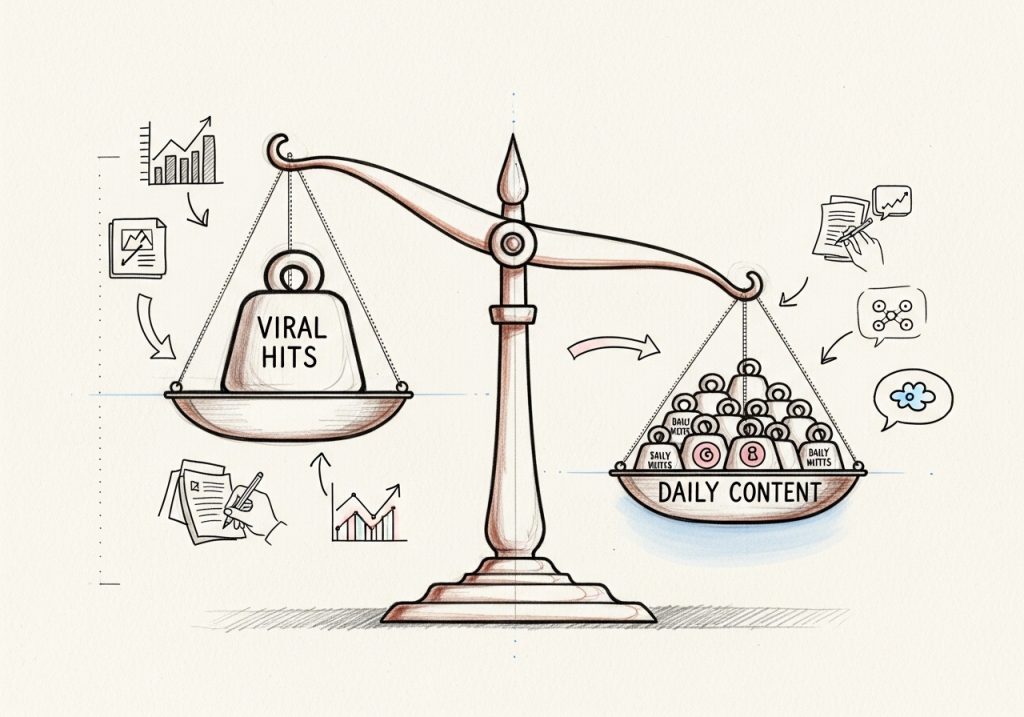
Another common thread is platform focus. They did not try to master YouTube, LinkedIn, Twitter, and Instagram all at once. They picked one channel, mastered the format, built a loyal audience, and only then expanded to other platforms. This focus allowed them to learn the nuances of the algorithm and the psychology of their specific audience.
Finally, they all treat their content as a product. They iterate on headlines. They look at the data. They refine their hooks. They do not just “post and pray.” They operate like media companies, where every piece of content has a specific job to do.
Scaling Your Own Brand With Automated Content
The challenge for most founders and agency owners is not a lack of ideas. It is a lack of time. Maintaining the consistency required to build a personal brand like the examples above is a full-time job. Writing, editing, optimizing, and publishing daily can easily consume 20 hours a week.
This is where automation becomes a strategic advantage. You can no longer rely solely on manual effort if you want to compete with full-time creators. Tools that automate the heavy lifting of keyword research, drafting, and optimization allow you to maintain high output without burning out. By using systems to handle the execution, you free yourself to focus on the high-level strategy and the unique insights that only you can provide.
The goal is not to replace your voice. The goal is to amplify it. By leveraging technology to handle the production line, you ensure that your personal brand grows consistently, regardless of how busy your calendar gets.
Conclusion
Analyzing these personal brand examples reveals that there is no single “right” way to build authority. You can be a teacher, a storyteller, or a curator. The vehicle matters less than the destination: building trust with a specific audience.
What matters is that you pick a lane and stay in it. You must provide value that is distinct and reliable. In a digital world crowded with generic noise, specific and consistent value is the only thing that breaks through. Start today by defining your archetype, committing to a schedule, and using the right tools to keep that promise to your audience.
Ready to build your authority on autopilot? Ascend handles the research, writing, and publishing for you, so you can grow your traffic and personal brand without spending hours on content creation. Start automating your blog growth today.

Written by
Ascend
Ascend is an automated SEO engine for WordPress. It handles keyword research, writes high-quality, search-optimized content, and publishes it directly to your site, so your traffic can grow on autopilot. Learn more