
A Guide to Essential Digital Media Positions for Growth
The most essential digital media positions for business growth include roles like SEO Specialist, Content Strategist, and Social Media Manager, each responsible for a distinct aspect of a company’s online presence. Building a team with the right expertise is no longer optional; it is fundamental to competing in any modern market. Understanding these roles, their responsibilities, and how they contribute to your goals is the first step toward creating a powerful marketing engine that drives visibility, engagement, and revenue.
Understanding the Core Digital Media Positions
A successful digital strategy relies on a team of specialists who manage different channels and functions. While titles can vary between organizations, the core responsibilities remain consistent. These roles work together to create a cohesive digital experience for customers and prospects.
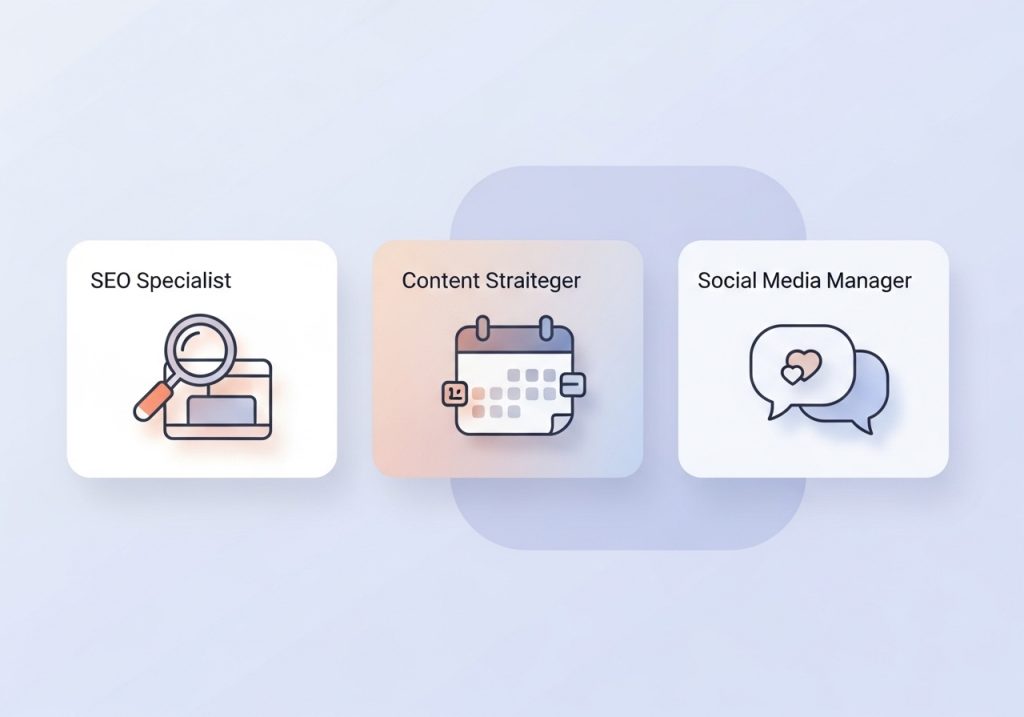
Content Strategist
The Content Strategist is the architect of your brand’s messaging. This person plans, develops, and manages all content to ensure it aligns with business objectives and speaks directly to the target audience. Their work provides the foundation for nearly all other digital marketing activities.
- Develops and maintains the editorial calendar.
- Conducts audience and competitor research to identify content gaps.
- Defines the brand’s tone of voice and style guidelines.
- Measures content performance and optimizes for better engagement and conversion.
SEO Specialist
The Search Engine Optimization (SEO) Specialist focuses on increasing a website’s visibility in search engine results pages like Google. Their goal is to drive qualified organic traffic by optimizing technical elements, on-page content, and off-page authority signals. This role is highly analytical and requires staying current with search engine algorithm updates.
- Performs keyword research to identify high-value search terms.
- Conducts technical SEO audits to find and fix site issues.
- Optimizes website content and structure for search engines.
- Builds backlinks from reputable websites to improve domain authority.
Social Media Manager
The Social Media Manager is the voice of the brand on social platforms. According to guidance from Arkansas State University, this role handles everything from daily posting to community engagement and campaign execution. They are responsible for growing an engaged audience and turning social channels into a valuable source of leads and customer feedback.
- Creates and schedules content for platforms like LinkedIn, Twitter, and Instagram.
- Monitors conversations and engages with followers.
- Runs paid social media advertising campaigns.
- Analyzes performance metrics to refine the social media strategy.
PPC Manager
A Pay-Per-Click (PPC) Manager specializes in paid advertising campaigns on platforms like Google Ads and Bing Ads. This position is focused on generating immediate traffic and leads by bidding on keywords and creating compelling ad copy. It requires a strong grasp of data analysis and budget management to maximize return on investment (ROI).
- Sets up and manages search, display, and video ad campaigns.
- Conducts A/B testing on ad copy and landing pages.
- Monitors campaign budgets and bidding strategies.
- Reports on key metrics such as click-through rate (CTR) and cost per acquisition (CPA).
Why These Roles Are Critical for Business Growth
Hiring for specific digital media positions is a direct investment in your company’s growth. Each specialist contributes to a larger strategy that builds momentum over time. An effective SEO specialist can dramatically increase your organic traffic, reducing reliance on paid channels. A skilled content strategist produces assets that nurture leads through the sales funnel, improving conversion rates. Together, these roles create a system for attracting and retaining customers.
This structured approach is a core part of modern business development, where digital channels are the primary source of new opportunities. Ignoring these roles means leaving potential revenue on the table for competitors who have invested in their digital teams. According to research from the Lumina Foundation, employees in digitally intensive roles also earn higher wages, reflecting the specialized skills and value they bring to an organization.
Structuring Your Digital Media Team for Success
How you organize your digital team depends on your company’s size, budget, and goals. There is no single correct model, but most businesses fall into one of a few common structures. The right setup ensures clear communication, efficient workflows, and accountability.
- In-House Team: Hiring full-time employees gives you complete control and deep institutional knowledge. This model is ideal for companies where digital marketing is a core function, but it requires a significant investment in salaries and benefits.
- Agency Partnership: Outsourcing to a marketing agency provides immediate access to a team of experts without the overhead of full-time hires. This is a great option for businesses that need specialized skills for specific projects or lack the resources to build an internal team.
- Freelancers and Contractors: Engaging freelancers offers flexibility. You can bring in specialists for specific tasks like content writing or SEO audits as needed. This is cost-effective but requires more project management to ensure consistency.
- Hybrid Model: Many companies use a hybrid approach, with a core in-house team (like a marketing manager) managing freelancers or a small agency for specialized tasks. This balances control with access to a wide range of skills.
The Impact of AI on Digital Media Roles
Artificial intelligence is transforming how digital media professionals work. Instead of replacing these positions, AI tools are augmenting their capabilities, automating repetitive tasks and freeing up specialists to focus on high-level strategy and creativity. This integration allows smaller teams to achieve results that once required much larger departments.
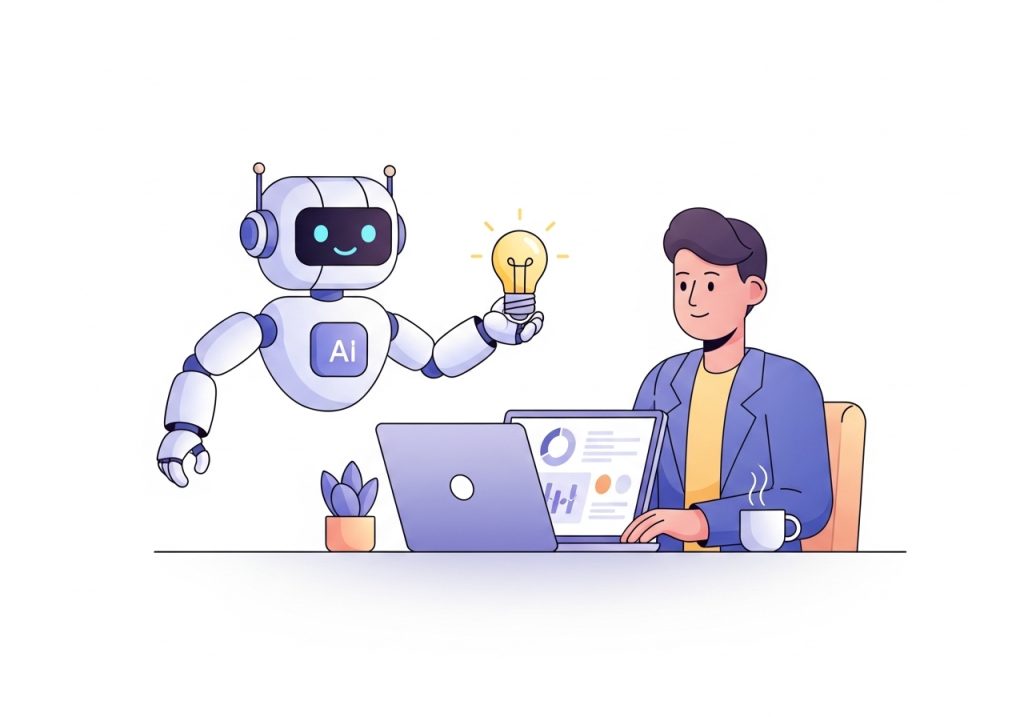
For example, an SEO specialist can use AI to analyze vast amounts of keyword data in minutes. A content strategist can use AI-powered content creation platforms to generate blog post drafts, outlines, and ideas. This technology streamlines workflows and increases output without sacrificing quality. Understanding how AI content generation works is becoming a key skill for modern marketers who need to produce content at scale.
Hiring for Key Digital Media Positions: What to Look For
When you’re ready to hire, it’s important to look beyond job titles. The best candidates possess a combination of hard and soft skills that enable them to adapt and succeed. According to career resources like the U.S. Bureau of Labor Statistics Occupational Outlook Handbook, many marketing roles require a blend of analytical and creative abilities.
Here are some key qualities to seek in candidates for your digital media positions:
- Analytical Mindset: The ability to interpret data from tools like Google Analytics is crucial. A great digital marketer makes decisions based on evidence, not just intuition.
- Strong Communication: Professionals in these roles must be able to report on their results to stakeholders and collaborate effectively with other team members.
- Creativity and Curiosity: The digital world is always changing. The best candidates are lifelong learners who enjoy experimenting with new tactics and channels.
- Adaptability: A strategy that works today might be obsolete tomorrow. Look for individuals who are comfortable with change and can pivot quickly when needed.
- Proven Results: Ask candidates to share specific examples of how their work has impacted business goals in previous roles, such as increasing traffic, leads, or sales.
Building a strong digital media team is one of the most effective ways to accelerate your company’s growth. By filling these key positions with talented professionals, you create a sustainable engine for attracting new customers and strengthening your brand. The next step is equipping that team with the tools they need to execute your strategy efficiently and at scale.
Ready to put your content strategy on autopilot? Ascend automates everything from keyword research to publishing, right inside your WordPress dashboard. Free up your team to focus on strategy while our AI handles the daily work of creating high-quality, SEO-optimized blog posts. Grow your organic traffic without the manual effort. Learn how Ascend can scale your content marketing today.

Written by
Ascend
Ascend is an automated SEO engine for WordPress. It handles keyword research, writes high-quality, search-optimized content, and publishes it directly to your site, so your traffic can grow on autopilot. Learn more